MiR MiR1350vsOmron MD-900
Close call. MiR1350 and MD-900 trade wins across the matrix.
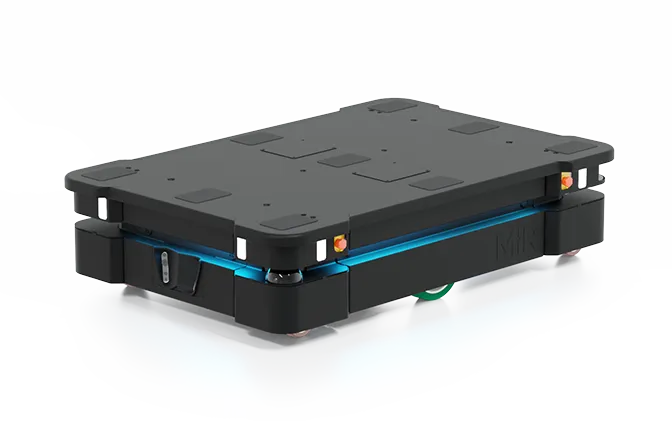
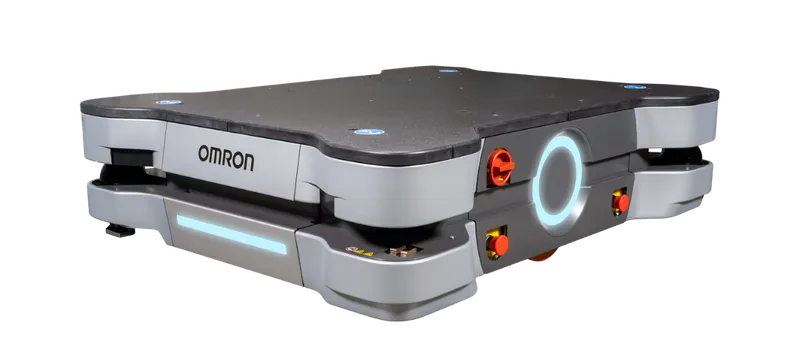
MiR1350
1 wins
MD-900
2 wins
Category breakdown
Deploy & operate
Readiness, uptime, navigation & connectivity
- 88Deployment readiness88
- 60Maintenance confidence60
- Vision-led navigation (estimated)NavigationVision-led navigation (estimated)
- Wi-Fi / cloud fleet management (estimated)ConnectivityWi-Fi / cloud fleet management (estimated)
Cost & ROI
Price accessibility and ROI clarity
- 32Price accessibility23
- 82ROI clarity75
Capability
Payload, speed, runtime & labor replacement
- 78Labor replacement78
- 1350 kg; towing capacity 6,000 kgPayload900 kg
- 1.2 m/sec maximumSpeed1.8 m/s
- 6.75 hours (max payload); 14.5 hours (without payload); charging 10–90%: 46 minutesBattery8 hours (5%–95% charge in <30 minutes)
Fit & future
Environment fit, footprint & long-term upside
- 75Environment fit82
- 68Future potential72
- 910 × 1350 × 322 mm (W × D × H)Footprint944 mm (W) x 1194 mm (L) x 320 mm (H)
MiR1350 · Best for
High-density pallet lanes in automotive/metal fabrication: 800–1200 kg per load, 50+ moves/shift, predictable routing (e.g., mill → staging → truck dock).
MD-900 · Best for
High-volume pallet transport in automotive assembly lines (sub-10 m² footprint, <2 m/s speed constraint)
Final judgment
Both are credible picks. Decide on cost and supplier proximity, not capability — the gap is small.