MiR MiR1350vsOmron HD-1500
Close call. MiR1350 and HD-1500 trade wins across the matrix.
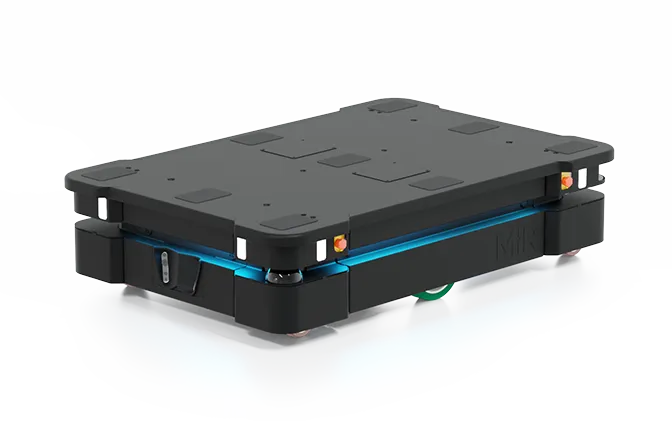
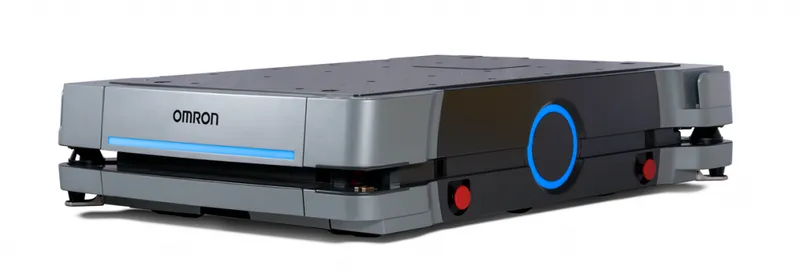
MiR1350
2 wins
HD-1500
0 wins
Category breakdown
Deploy & operate
Readiness, uptime, navigation & connectivity
- 88Deployment readiness82
- 60Maintenance confidence60
- Vision-led navigation (estimated)NavigationVision-led navigation (estimated)
- Wi-Fi / cloud fleet management (estimated)ConnectivityWi-Fi / cloud fleet management (estimated)
Cost & ROI
Price accessibility and ROI clarity
- 32Price accessibility43
- 82ROI clarity75
Capability
Payload, speed, runtime & labor replacement
- 78Labor replacement78
- 1350 kg; towing capacity 6,000 kgPayload1,500 kg
- 1.2 m/sec maximumSpeed1.8 m/sec
- 6.75 hours (max payload); 14.5 hours (without payload); charging 10–90%: 46 minutesBattery9 hours with full payload, 12.5 hours with no payload
Fit & future
Environment fit, footprint & long-term upside
- 75Environment fit76
- 68Future potential72
- 910 × 1350 × 322 mm (W × D × H)FootprintWidth 1195 mm, Length 1696 mm, Height 370 mm
MiR1350 · Best for
High-density pallet lanes in automotive/metal fabrication: 800–1200 kg per load, 50+ moves/shift, predictable routing (e.g., mill → staging → truck dock).
HD-1500 · Best for
Pallet-sized load transport in high-volume manufacturing plants (automotive, food, beverage)
Final judgment
If immediate deployment is the priority, choose MiR1350. If the goal is to be ready when HD-1500's capabilities mature, track it.