Neura Robotics MAVvsRelay Robotics Relay Delivery Robot
Relay Robotics Relay Delivery Robot leads on 3 of 7 dimensions — strongest on deployment readiness.
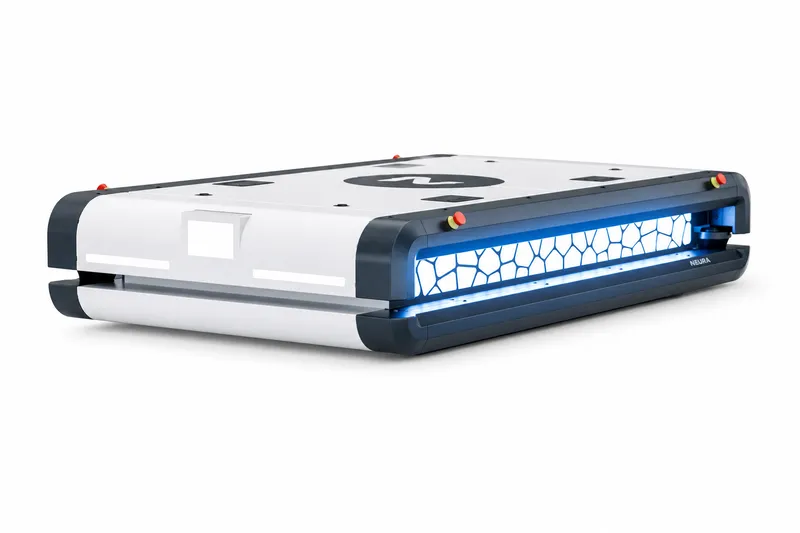
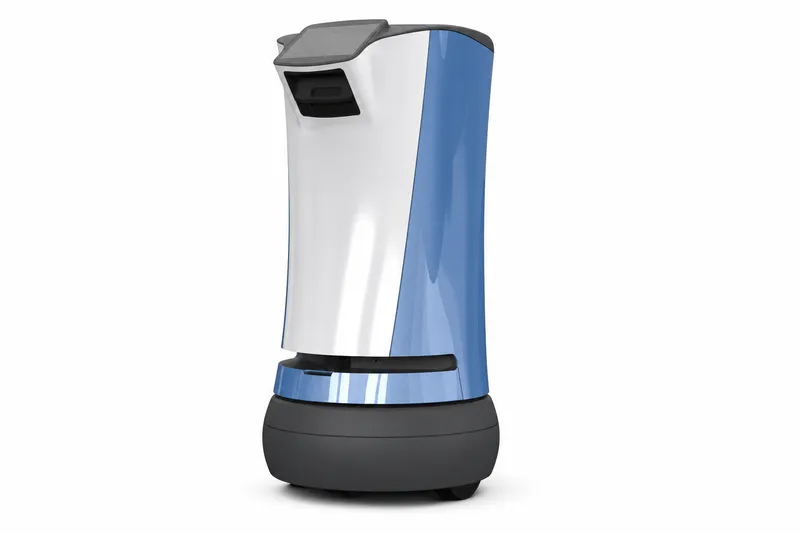
MAV
0 wins
Relay Delivery Robot
2 wins
Category breakdown
Deploy & operate
Readiness, uptime, navigation & connectivity
- 75Deployment readiness90
- 60Maintenance confidence60
- Vision-led navigation (estimated)NavigationVision-led navigation (estimated)
- Wi-Fi / cloud fleet management (estimated)ConnectivityWi-Fi / cloud fleet management (estimated)
Cost & ROI
Price accessibility and ROI clarity
- 78Price accessibility30
- 70ROI clarity75
Capability
Payload, speed, runtime & labor replacement
- 72Labor replacement70
- MAV 500: up to 500 kg; MAV 1500: up to 1,500 kgPayload10 gallons (41 liters)
- Up to 1.5 m/sSpeedAverage delivery time 4 minutes per delivery (hotel to guest room)
- MAV 500: up to 7.5 hours; MAV 1500: 10 hours running time, 2 hours charging timeBatteryAutonomous charging between deliveries; continuous operation via charging dock
Fit & future
Environment fit, footprint & long-term upside
- 78Environment fit85
- 68Future potential65
- MAV 500: 678 × 1255 × 294 mm; MAV 1500: 910 × 1530 × 293 mmFootprint—
MAV · Best for
Automotive parts supply loop in restricted-aisle assembly plants (400+ parts/shift).
Relay Delivery Robot · Best for
Mid-to-large hotel chains delivering room service 24/7 to reduce front-desk and housekeeping workload during peak hours
Final judgment
If immediate deployment is the priority, choose Relay Delivery Robot. If the goal is to be ready when MAV's capabilities mature, track it.