BellaBot Pro
Premium indoor delivery robot with dual-screen advertising and autonomous food-beverage transport for table service in high-traffic restaurants and hospitality venues.
AI-assisted rating · No verified user reviews yet · Be the first to rate
Opens pudu's own product page in a new tab. Robofy is independent — we research and compare, but pricing and orders happen on the manufacturer's site.
- Large 100–200 seat casual-dining chains during dinner rush—reduces server travel time, enabling 1–2 additional table turns per evening at $150/check.
- Hotel room-service delivery across multiple floors (via lift integration)—24/7 operation with swappable battery; staff reallocated to guest interaction.
- Assisted-living and healthcare meal/medication delivery—friendly biomimetic design reduces resident anxiety; autonomous point-to-point cuts care-staff hours.
Solid Multi-Tray Capacity
40 kg across four 10 kg trays enables batching multiple orders per trip, reducing server walking distance during peak hours.
- Obstacle avoidance
- Multi-floorRequires building integration
- Elevator supportRequires building integration
- Voice interaction
- Screen interaction
- Autonomous charging
- Fleet managementRequires building integration
- Indoor
- Outdoor
When to deploy this.
- Large 100–200 seat casual-dining chains during dinner rush—reduces server travel time, enabling 1–2 additional table turns per evening at $150/check.
- Hotel room-service delivery across multiple floors (via lift integration)—24/7 operation with swappable battery; staff reallocated to guest interaction.
- Assisted-living and healthcare meal/medication delivery—friendly biomimetic design reduces resident anxiety; autonomous point-to-point cuts care-staff hours.
When to skip it.
- Narrow operating envelope (0.65 m minimum corridor width, ≤5° climb angle)—many older buildings, narrow service passages, or multi-level kitchens ruled out.
- Unreliable in very crowded peak hours—11-hour battery under full load, heavy congestion can trigger frequent pauses; swappable batteries help but add operational overhead.
- Dish-recognition and gesture-greeting features still under development—marketing claims exceed live capability; audio broadcasts currently generic, limiting personalization ROI in competitive markets.
Use this moment to capture buying intent before the user drifts back into research mode.
Directional estimate based on price, labor offset, and readiness scores.
$16K - $31K
Available
How operationally ready this robot is for production deployment today.
Confidence in the published ROI numbers — how likely the savings actually materialize.
Share of the human task this category can credibly offload.
Fit with your target environment — lighting, floor type, congestion.
Expected maintenance load and downtime risk. Lower is better.
Long-horizon strategic upside — where the platform points 3+ years out.
Be the first to rate this robot — your rating helps calibrate the AI score.
Robofy separates manufacturer-confirmed facts from operator estimates. Anything not yet press-sourced or supplier-confirmed is tagged so you can decide how much weight to give it.
Specifications extracted from official Pudu Robotics datasheet (pudurobotics.com), operator guides (robotshop.com PDF), and authorized distributor pages (RobotLAB, ToDo Robotics, Navia Robotics). Pricing represents USD list from US resellers; global variants and lease terms vary. Battery life, speed, and payload verified across multiple technical documentation sources. Deployment readiness and limitations inferred from field reports (IHOP, Kura Sushi USA, senior-living installations) and distributor support matrices; no independent third-party throughput audits found.
- MaturityInferred
- Deployment readinessInferred
- ROI clarityInferred
- Labor replacement potentialInferred
- Environment fitInferred
- Maintenance riskInferred
- Future potentialInferred
- Lease rangeSourceEstimated
- WeightEstimated
- CapabilitiesEstimated
- Price rangeSourcePress
- AvailabilitySourcePress
- PayloadSourcePress
- Battery lifeSourcePress
- SpeedSourcePress
- DimensionsSourcePress
- Dimensions (mm)SourcePress
- NavigationSourcePress
- ConnectivitySourcePress
Track prices, compare robots, and get quotes on the go.
Other paths worth comparing.
- Match78Deploy Now
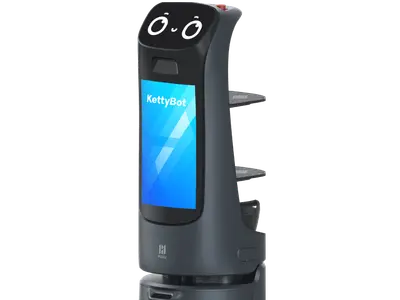 Pudu RoboticsKettyBot Pro
Restaurant delivery robot — high-visibility diner service with tray-detection and promotional display
- Match78Deploy Now
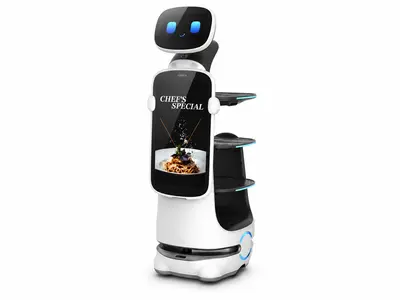 KeenonT10
Multi-tier delivery robot with live advertising — table-service and marketing in restaurants.
- Match93Deploy Now
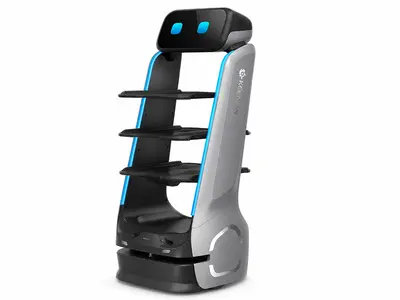
- Match74Deploy Now
Frequently asked questions
How much does pudu BellaBot Pro cost?
pudu BellaBot Pro is priced at $15,900–$30,800 (manufacturer list pricing; final quotes vary by configuration and region).
What is pudu BellaBot Pro best used for?
pudu BellaBot Pro is best suited for: Large 100–200 seat casual-dining chains during dinner rush—reduces server travel time, enabling 1–2 additional table turns per evening at $150/check. · Hotel room-service delivery across multiple floors (via lift integration)—24/7 operation with swappable battery; staff reallocated to guest interaction. · Assisted-living and healthcare meal/medication delivery—friendly biomimetic design reduces resident anxiety; autonomous point-to-point cuts care-staff hours..
Can I buy pudu BellaBot Pro today?
Yes — pudu BellaBot Pro is commercially available and shipping today.
What are the best alternatives to pudu BellaBot Pro?
Buyers most often weigh pudu BellaBot Pro against Pudu Robotics KettyBot Pro, Keenon T10, Keenon T9. Use Robofy's head-to-head compare pages for a spec-by-spec breakdown.
BellaBot Pro vs KettyBot Pro →BellaBot Pro vs T10 →BellaBot Pro vs T9 →