Pioneer K1
General-purpose humanoid for materials handling and inspection in factory and logistics.
AI-assisted rating · No verified user reviews yet · Be the first to rate
Opens Kepler Robotics's own product page in a new tab. Robofy is independent — we research and compare, but pricing and orders happen on the manufacturer's site.
- Intelligent manufacturing, warehousing and logistics, high-risk operations, and research and education
- Material handling in automotive plants, such as transporting 20 kg material bins
- Repetitive pick-place tasks on assembly lines with payloads under 25 kg and outdoor patrol/inspection
Capable payload for a humanoid
25 kg per-arm payload matches many manufacturing and logistics handling tasks, suitable for bin transport and pick-place on assembly lines under that limit.
- Obstacle avoidance
- Multi-floorRequires building integration
- Elevator support
- Voice interaction
- Screen interaction
- Autonomous charging
- Fleet managementRequires building integration
- Indoor
- Outdoor
When to deploy this.
- Intelligent manufacturing, warehousing and logistics, high-risk operations, and research and education
- Material handling in automotive plants, such as transporting 20 kg material bins
- Repetitive pick-place tasks on assembly lines with payloads under 25 kg and outdoor patrol/inspection
When to skip it.
- Walking speed of 1 m/s (3.5 km/h) is slow and not suitable for time-sensitive logistics
- Maximum 25 kg payload per arm; below typical industrial cobot carry capacity
- K1 is end-of-life; no public K2 pricing or lease options published as of May 2026; pilot-only availability
Use this moment to capture buying intent before the user drifts back into research mode.
Directional estimate based on price, labor offset, and readiness scores.
$20K - $30K
Future
How operationally ready this robot is for production deployment today.
Confidence in the published ROI numbers — how likely the savings actually materialize.
Share of the human task this category can credibly offload.
Fit with your target environment — lighting, floor type, congestion.
Expected maintenance load and downtime risk. Lower is better.
Long-horizon strategic upside — where the platform points 3+ years out.
Be the first to rate this robot — your rating helps calibrate the AI score.
Robofy separates manufacturer-confirmed facts from operator estimates. Anything not yet press-sourced or supplier-confirmed is tagged so you can decide how much weight to give it.
K1 specs (height, weight, battery, payload, degrees of freedom, NEBULA system) drawn from manufacturer statements via humanoid.guide and New Equipment Digest (June 2025 / Oct 2024). Pricing ($20–30k range) from humanoid.guide (June 2025) and Robot Report (Jan 2024). Battery and payload confirmed in New Atlas K2 review (Oct 2024). Walking speed and competitive positioning from EnduX (Mar 2026), Interesting Engineering (Oct 2024). K1 launch date (Nov 2023) and production timeline from Fox News (Nov 2024) and PR Newswire (Oct 2024). Outdoor capability noted in Robot Report (Jan 2024). No third-party independent field trial reports found; all claims derive from Kepler or press releases citing Kepler. K1 is effectively superseded by K2 (fifth-generation model, Oct 2024); K1 remains relevant only as proof-of-concept for the humanoid form factor.
- Deployment readinessInferred
- ROI clarityInferred
- Labor replacement potentialInferred
- Environment fitInferred
- Maintenance riskInferred
- Future potentialInferred
- Lease rangeEstimated
- DimensionsEstimated
- Dimensions (mm)Estimated
- CapabilitiesEstimated
- Price rangeSourcePress
- AvailabilitySourcePress
- MaturitySourcePress
- PayloadSourcePress
- Battery lifeSourcePress
- SpeedSourcePress
- WeightSourcePress
- NavigationSourcePress
- ConnectivitySourcePress
Track prices, compare robots, and get quotes on the go.
Other paths worth comparing.
- Match35Pilot Ready
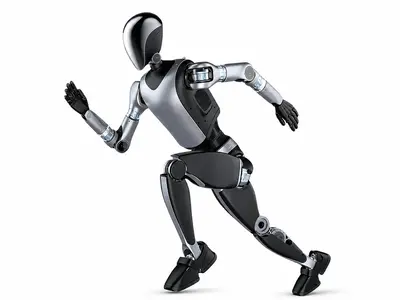
- Match61Pilot Ready
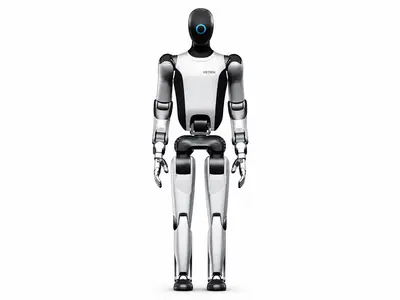 UBTECHwalker S2
1.76m industrial humanoid—quality inspection and material handling for automotive factory floors.
- Match59Pilot Ready
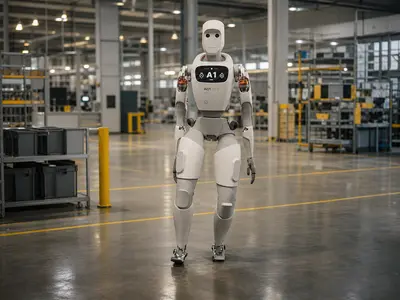 ApptronikApollo
Among the most commercially mature humanoid robots available in 2026, with real factory deployments, but walking speed and fine manipulation remain bottlenecks.
- Match43Pilot Ready
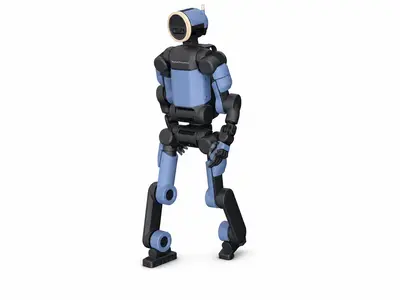 Boston DynamicsAtlas
Electric humanoid — material handling and parts sequencing in automotive factories
Frequently asked questions
How much does Kepler Robotics Pioneer K1 cost?
Kepler Robotics Pioneer K1 is priced at $20,000–$30,000 (manufacturer list pricing; final quotes vary by configuration and region).
What is Kepler Robotics Pioneer K1 best used for?
Kepler Robotics Pioneer K1 is best suited for: Intelligent manufacturing, warehousing and logistics, high-risk operations, and research and education · Material handling in automotive plants, such as transporting 20 kg material bins · Repetitive pick-place tasks on assembly lines with payloads under 25 kg and outdoor patrol/inspection.
Can I buy Kepler Robotics Pioneer K1 today?
Kepler Robotics Pioneer K1 has been announced but is not yet purchasable — treat published specs as provisional.
What are the best alternatives to Kepler Robotics Pioneer K1?
Buyers most often weigh Kepler Robotics Pioneer K1 against PhyBot M1, UBTECH walker S2, Apptronik Apollo. Use Robofy's head-to-head compare pages for a spec-by-spec breakdown.
Pioneer K1 vs M1 →Pioneer K1 vs walker S2 →Pioneer K1 vs Apollo →