Neura Robotics 4NE-1vsUnitree Aliengo
Close call. 4NE-1 and Aliengo trade wins across the matrix.
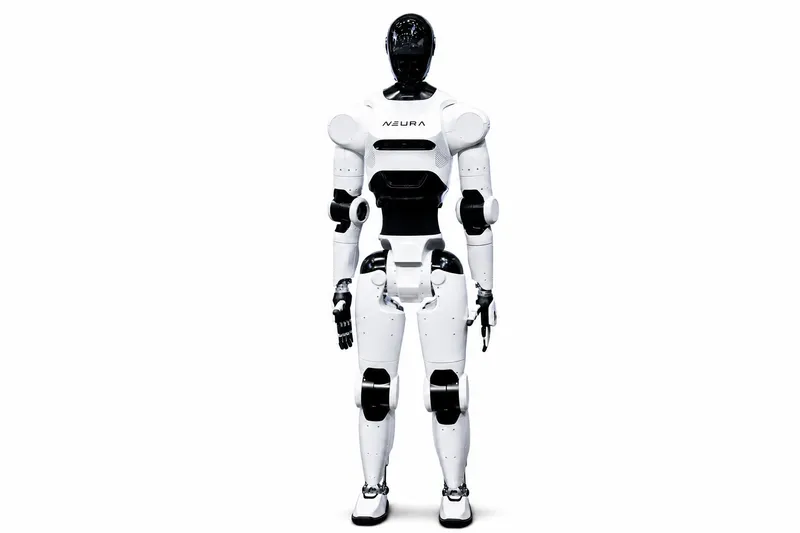
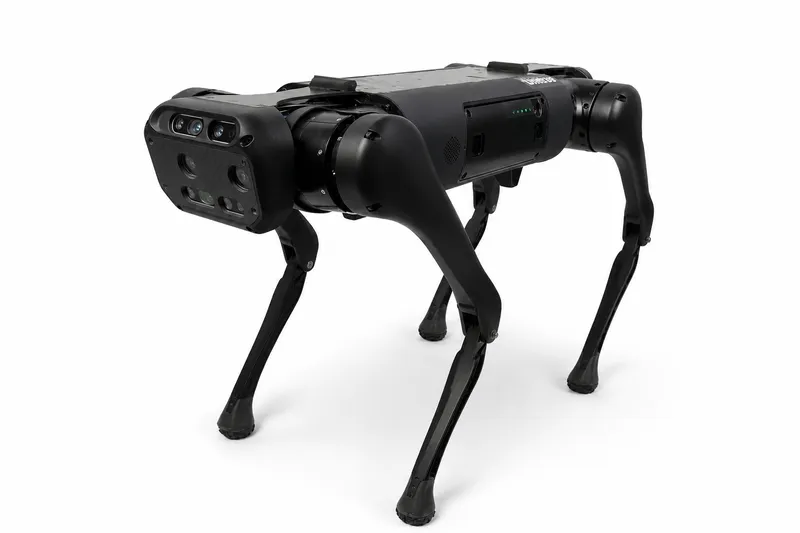
4NE-1
1 wins
Aliengo
2 wins
Category breakdown
Deploy & operate
Readiness, uptime, navigation & connectivity
- 62Deployment readiness72
- 60Maintenance confidence60
- Vision-led navigation (estimated)NavigationVision-led navigation (estimated)
- Wi-Fi / cloud fleet management (estimated)ConnectivityWi-Fi / cloud fleet management (estimated)
Cost & ROI
Price accessibility and ROI clarity
- 55Price accessibility59
- 58ROI clarity62
Capability
Payload, speed, runtime & labor replacement
- 72Labor replacement55
- 20 kg (continuous mobile); 100 kg maximum lift capacityPayloadup to 13 kg
- 5 km/h (Gen 3.5); 3 km/h (Mini)Speed>1.5 m/s max walking speed
- 6–8 hours (Gen 3.5 with hot-swappable batteries)Battery2.5–4.6 h operating time
Fit & future
Environment fit, footprint & long-term upside
- 68Environment fit78
- 76Future potential75
- 170–180 cm height; full dimensions unknownFootprint650 × 310 × 600 mm (stand); 600 × 310 × 150 mm (fold)
4NE-1 · Best for
Assembly, material handling, quality inspection in manufacturing facilities
Aliengo · Best for
University SLAM and robotics coursework: 4.6 h endurance, developer-friendly I/O (GbE, USB 3.0), and ROS support enable weeks of lab experiments and student projects without infrastructure lock-in.
Final judgment
If immediate deployment is the priority, choose Aliengo. If the goal is to be ready when 4NE-1's capabilities mature, track it.