MiR MiR250vsPAL Robotics StockBot
Close call. MiR250 and StockBot trade wins across the matrix.
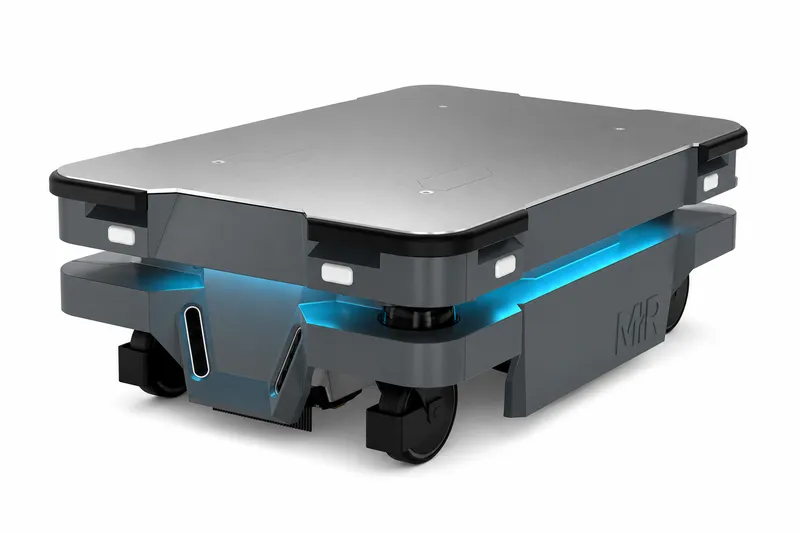
MiR250
1 wins
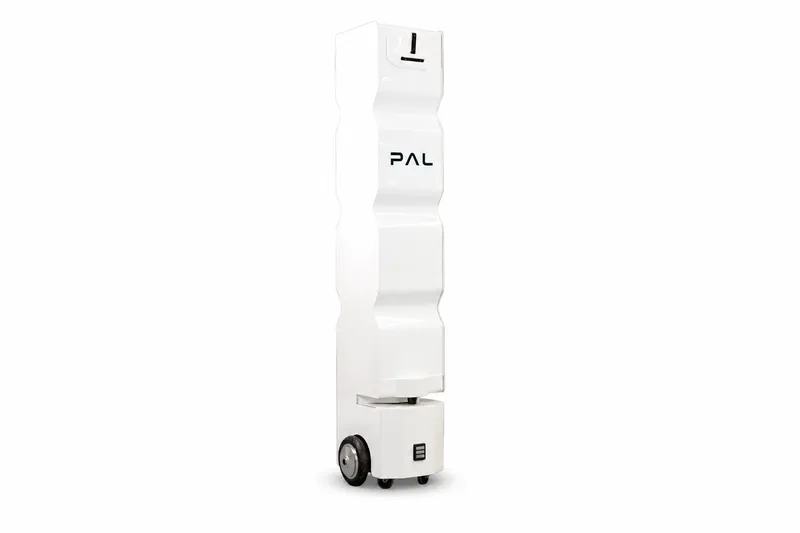
StockBot
2 wins
Category breakdown
Deploy & operate
Readiness, uptime, navigation & connectivity
- 95Deployment readiness92
- 60Maintenance confidence60
- Vision-led navigation (estimated)NavigationVision-led navigation (estimated)
- Wi-Fi / cloud fleet management (estimated)ConnectivityWi-Fi / cloud fleet management (estimated)
Cost & ROI
Price accessibility and ROI clarity
- 56Price accessibility30
- 80ROI clarity78
Capability
Payload, speed, runtime & labor replacement
- 75Labor replacement72
- 250 kgPayload—
- 2 m/sec (7.2 km/hour)Speed—
- 10 hoursBatteryup to 12 hours continuous operation; fully recharges in 4 hours
Fit & future
Environment fit, footprint & long-term upside
- 78Environment fit82
- 70Future potential75
- 800 × 580 × 300 mm (W × D × H)Footprint—
MiR250 · Best for
Order-picking cart transport in multi-level fulfillment centers (TTI case study: 5 units moving 250 kg shelves autonomously across distribution centers).
StockBot · Best for
Daily inventory cycles in large sporting-goods superstores (like Decathlon 4,000–9,000 m² flagship stores) to detect misplaced items and feed real-time stock data into planogram optimization.
Final judgment
Both are credible picks. Decide on cost and supplier proximity, not capability — the gap is small.