Kinova Gen3vsUniversal Robots UR30
Close call. Gen3 and UR30 trade wins across the matrix.
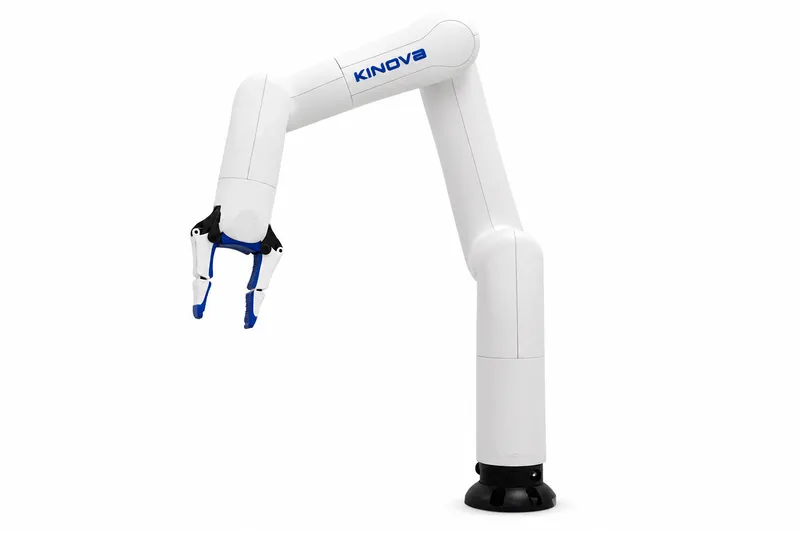
Gen3
0 wins
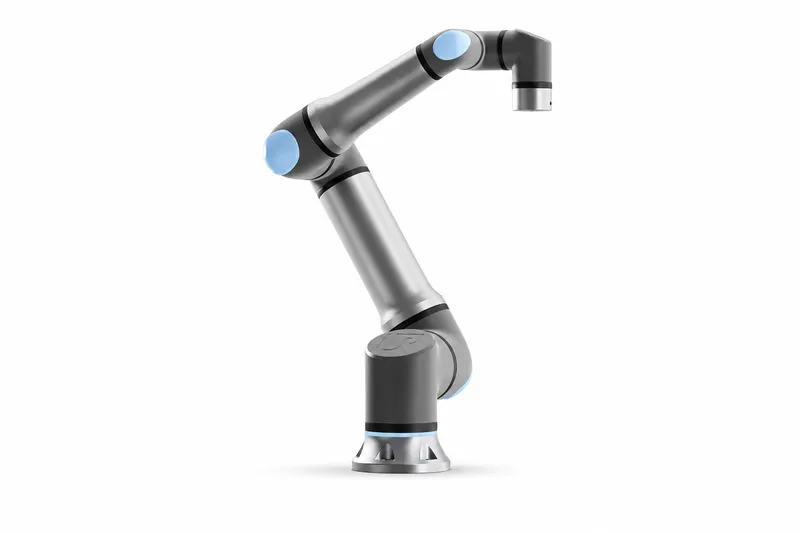
UR30
1 wins
Category breakdown
Deploy & operate
Readiness, uptime, navigation & connectivity
- 85Deployment readiness88
- 60Maintenance confidence60
- Vision-led navigation (estimated)NavigationVision-led navigation (estimated)
- Wi-Fi / cloud fleet management (estimated)ConnectivityWi-Fi / cloud fleet management (estimated)
Cost & ROI
Price accessibility and ROI clarity
- 73Price accessibility48
- 65ROI clarity82
Capability
Payload, speed, runtime & labor replacement
- 40Labor replacement79
- 4 kg (mid-range continuous); 2 kg (full-range continuous)Payload30 kg (66.1 lbs), 35 kg (77.1 lbs) with boundary conditions
- 50 cm/s maximum Cartesian translation speedSpeedMax TCP speed: 4 m/s
- Powered via 18-30 VDC external supply, 24 VDC nominal (36 W average power)BatteryNot applicable (arm-only, plugged to control box)
Fit & future
Environment fit, footprint & long-term upside
- 75Environment fit75
- 80Future potential81
- Total weight: 7.2 kg (6 DoF) / 8.2 kg (7 DoF); Maximum reach: 891 mm (6 DoF) / 902 mm (7 DoF)FootprintCompact footprint of Ø 245 mm; height and depth vary with configuration; 1300 mm reach
Gen3 · Best for
Research labs and university robotics programs developing control algorithms or human-robot collaboration workflows.
UR30 · Best for
Heavy-parts palletizing (20–30 kg boxes) on automotive or food production lines where floor space is premium
Final judgment
Both are credible picks. Decide on cost and supplier proximity, not capability — the gap is small.