Unitree A2vsUnitree B1
Close call. A2 and B1 trade wins across the matrix.
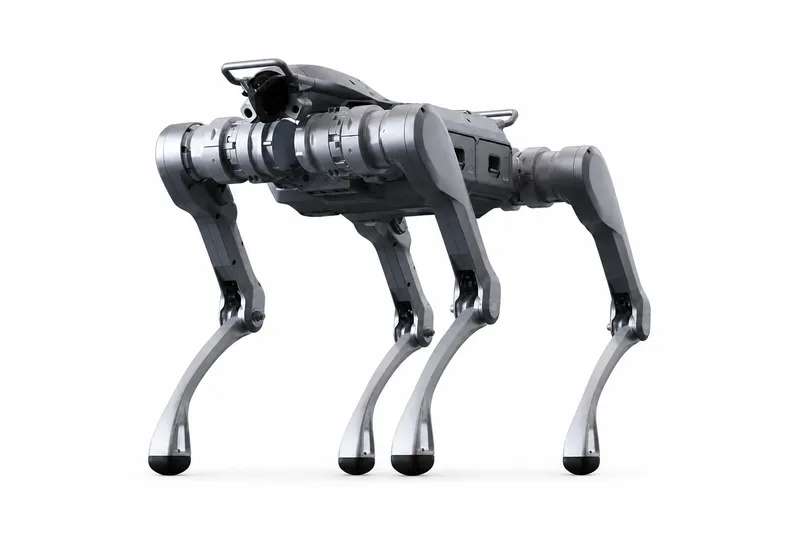
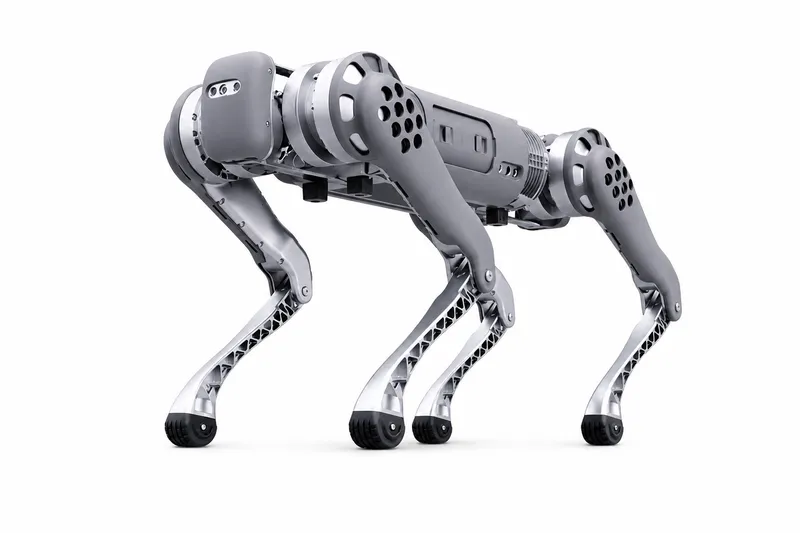
A2
2 wins
B1
0 wins
Category breakdown
Deploy & operate
Readiness, uptime, navigation & connectivity
- 80Deployment readiness82
- 60Maintenance confidence60
- Vision-led navigation (estimated)NavigationVision-led navigation (estimated)
- Wi-Fi / cloud fleet management (estimated)ConnectivityWi-Fi / cloud fleet management (estimated)
Cost & ROI
Price accessibility and ROI clarity
- 35Price accessibility35
- 65ROI clarity68
Capability
Payload, speed, runtime & labor replacement
- 55Labor replacement64
- 100 kg stationary; 25 kg continuous walkingPayload20 kg walking, ~80 kg standing maximum
- Up to 5 m/s (11.2 mph)Speed1.2–1.8 m/s
- 5+ hours unloaded (~20 km); 3+ hours loaded with 25 kg (~12.5 km)Battery~2 hours continuous walking; up to ~5 hours standing; 1-2 hour recharge
Fit & future
Environment fit, footprint & long-term upside
- 85Environment fit88
- 80Future potential72
- 44 × 57 × 82 cm (W × D × H)Footprint1126 × 467 × 636 mm (W × D × H) standing
A2 · Best for
Infrastructure inspection in dusty or rugged environments with up to 45-degree slope navigation
B1 · Best for
Perimeter security patrols at industrial plants, utility substations, and campuses—replacing overnight guard rounds
Final judgment
Both are credible picks. Decide on cost and supplier proximity, not capability — the gap is small.