Sanctuary Al PhoenixvsTesla Optimus Gen 2
Sanctuary Al Phoenix leads on 4 of 7 dimensions — strongest on deployment readiness.
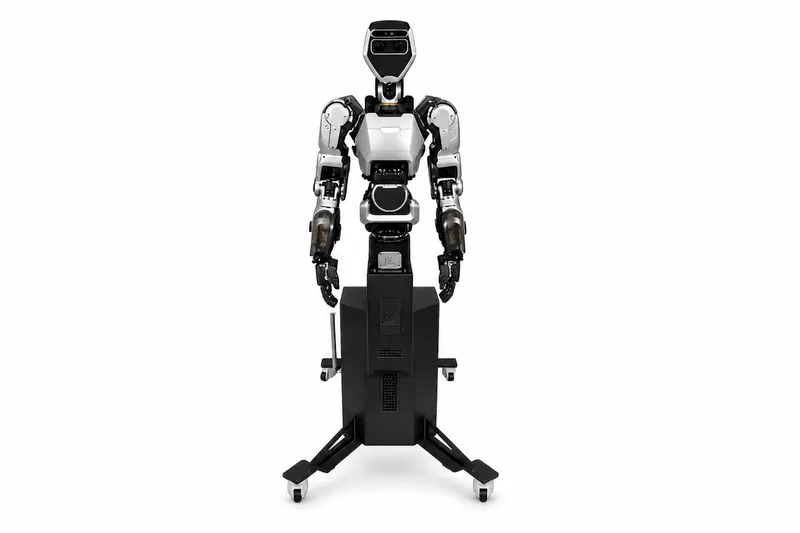
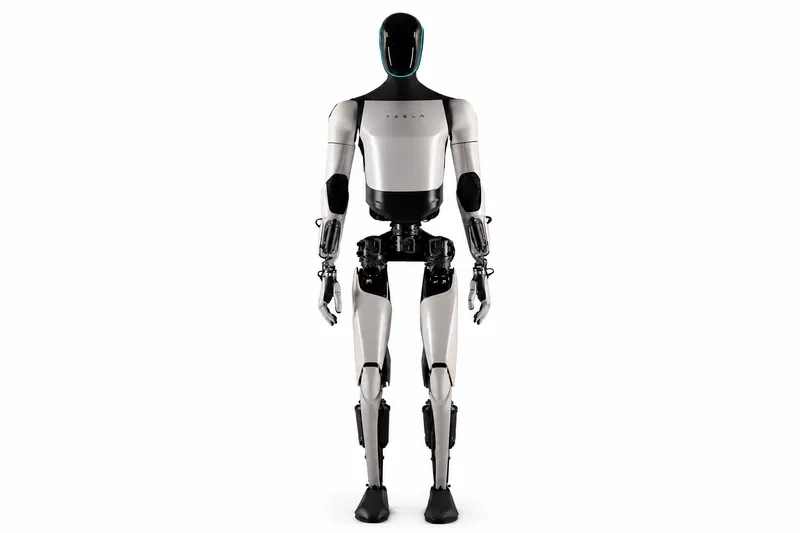
Phoenix
2 wins
Optimus Gen 2
0 wins
Category breakdown
Deploy & operate
Readiness, uptime, navigation & connectivity
- 55Deployment readiness25
- 60Maintenance confidence60
- Vision-led navigation (estimated)NavigationVision-led navigation (estimated)
- Wi-Fi / cloud fleet management (estimated)ConnectivityWi-Fi / cloud fleet management (estimated)
Cost & ROI
Price accessibility and ROI clarity
- 28Price accessibility75
- 50ROI clarity20
Capability
Payload, speed, runtime & labor replacement
- 75Labor replacement65
- 25 kgPayload20 kg
- 4.8 km/h (3 mph)Speed8 km/h (5 mph) walking
- 4 hoursBattery2.3 kWh lithium-ion battery, approximately 8 hours typical light-duty operation
Fit & future
Environment fit, footprint & long-term upside
- 70Environment fit50
- 80Future potential80
- 550 × 600 × 1700 mm (W × D × H)Footprint400 × 300 × 1730 mm (estimated based on 173 cm height; exact width/depth not disclosed)
Phoenix · Best for
Automotive assembly line — sorting wiring harnesses, fastener placement, sub-assembly handling in large-scale plants (Magna partnership)
Optimus Gen 2 · Best for
Battery cell sorting in high-volume automotive factories (Tesla's own proven use case)
Final judgment
If immediate deployment is the priority, choose Phoenix. If the goal is to be ready when Optimus Gen 2's capabilities mature, track it.