ROBOTERA L7vsunitree H1
unitree H1 leads on 4 of 7 dimensions — strongest on deployment readiness.
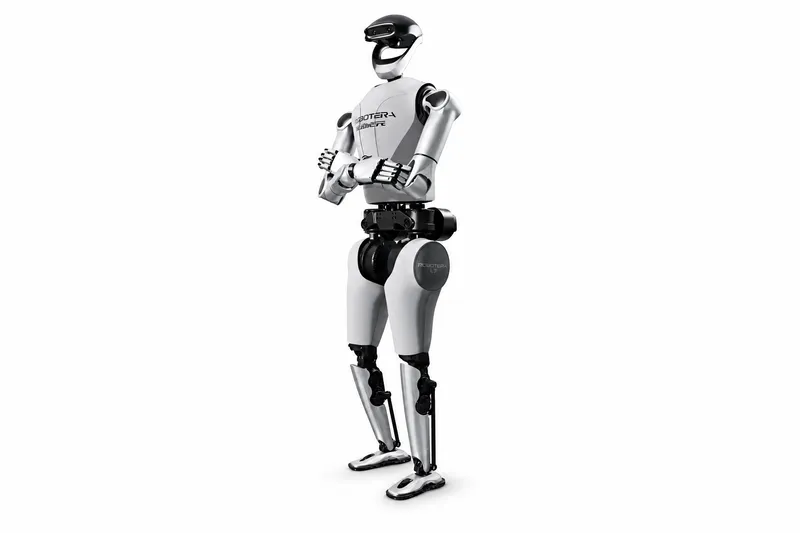
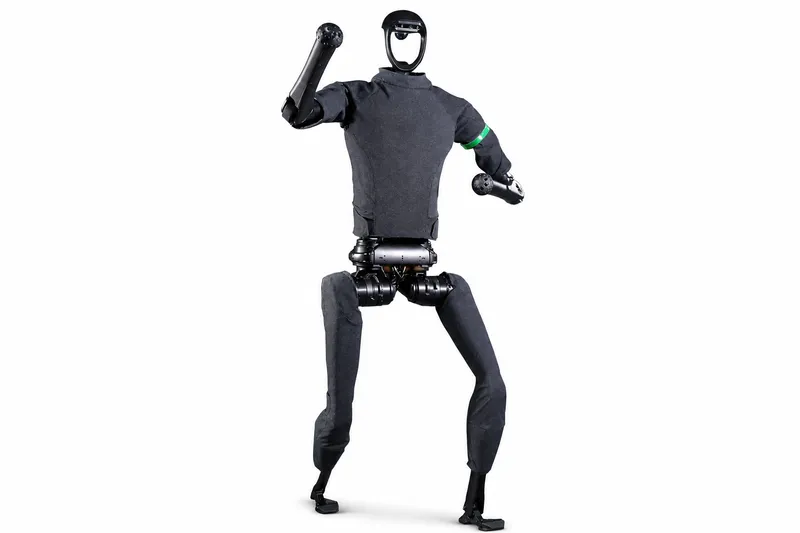
L7
1 wins
H1
2 wins
Category breakdown
Deploy & operate
Readiness, uptime, navigation & connectivity
- 62Deployment readiness78
- 60Maintenance confidence60
- Vision-led navigation (estimated)NavigationVision-led navigation (estimated)
- Wi-Fi / cloud fleet management (estimated)ConnectivityWi-Fi / cloud fleet management (estimated)
Cost & ROI
Price accessibility and ROI clarity
- 33Price accessibility10
- 55ROI clarity62
Capability
Payload, speed, runtime & labor replacement
- 72Labor replacement55
- 20 kg (dual-arm)Payload~5 kg estimated (base model); upgraded on H1-2
- 4 m/s (14.4 km/h)Speed3.3 m/s bipedal running (world record for full-size humanoids)
- 1–2 hours under moderate use per charge with swappable system (estimated)Battery864 Wh battery capacity; runtime unknown
Fit & future
Environment fit, footprint & long-term upside
- 68Environment fit81
- 78Future potential87
- 500 × 400 × 1,710 mm (W × D × H)FootprintKey dimensions (1520+285) mm x 570 mm x 220 mm (total height ~1805 mm), per official current spec page
L7 · Best for
Precision industrial tasks: sorting, scanning, screw-driving, and delicate operations like tearing paper towels and pulling curtains alongside heavy material handling
H1 · Best for
Inspection applications — walking through factories, construction sites, or infrastructure facilities that aren't accessible to wheeled robots
Final judgment
If immediate deployment is the priority, choose H1. If the goal is to be ready when L7's capabilities mature, track it.