PhyBot M1vsROBOTERA L7
ROBOTERA L7 leads on 3 of 7 dimensions — strongest on deployment readiness.
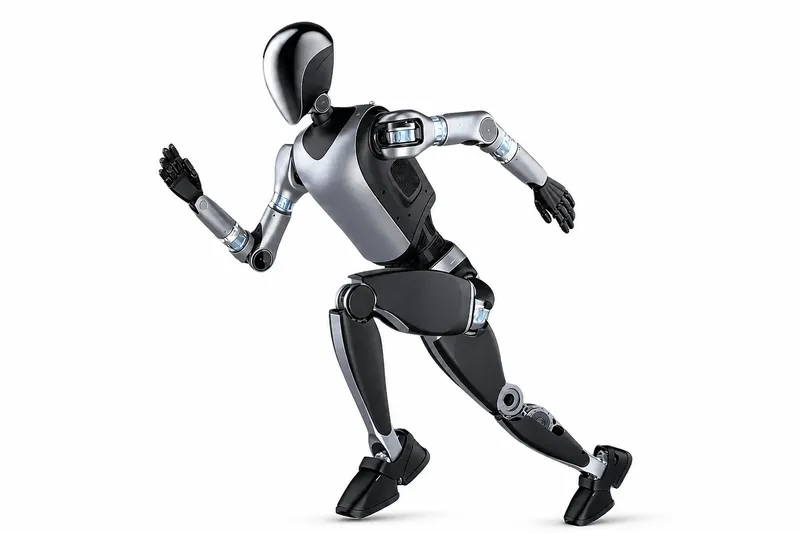
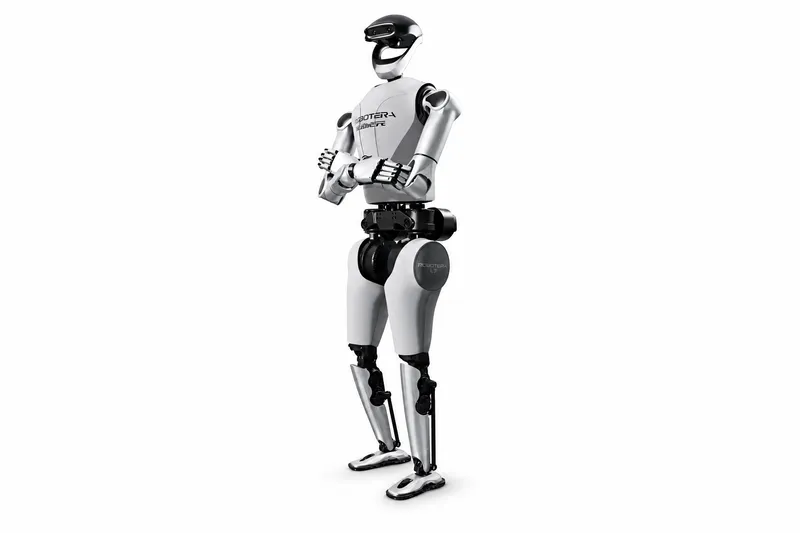
M1
0 wins
L7
2 wins
Category breakdown
Deploy & operate
Readiness, uptime, navigation & connectivity
- 45Deployment readiness62
- 60Maintenance confidence60
- Vision-led navigation (estimated)NavigationVision-led navigation (estimated)
- Wi-Fi / cloud fleet management (estimated)ConnectivityWi-Fi / cloud fleet management (estimated)
Cost & ROI
Price accessibility and ROI clarity
- 66Price accessibility33
- 35ROI clarity55
Capability
Payload, speed, runtime & labor replacement
- 60Labor replacement72
- 20 kg per arm, 50 kg via backpack systemPayload20 kg (dual-arm)
- 10 km/h (6.2 mph)Speed4 m/s (14.4 km/h)
- 2+ hoursBattery1–2 hours under moderate use per charge with swappable system (estimated)
Fit & future
Environment fit, footprint & long-term upside
- 70Environment fit68
- 75Future potential78
- Height 172 cm (5 feet 7 inches)Footprint500 × 400 × 1,710 mm (W × D × H)
M1 · Best for
Heavy parts assembly in automotive or appliance manufacturing where human-scale bipedal access to elevated worktables is required
L7 · Best for
Precision industrial tasks: sorting, scanning, screw-driving, and delicate operations like tearing paper towels and pulling curtains alongside heavy material handling
Final judgment
If immediate deployment is the priority, choose L7. If the goal is to be ready when M1's capabilities mature, track it.