pudu t300vsUniversal Robots UR30
Universal Robots UR30 leads on 4 of 7 dimensions — strongest on deployment readiness.
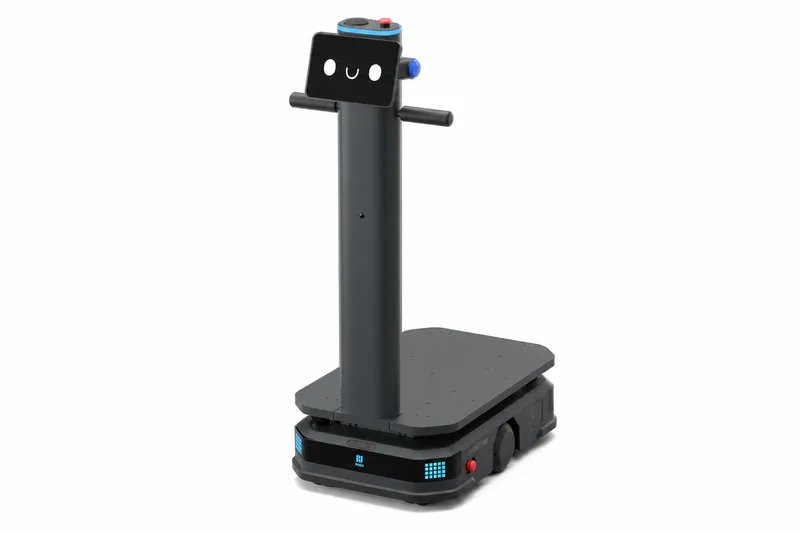
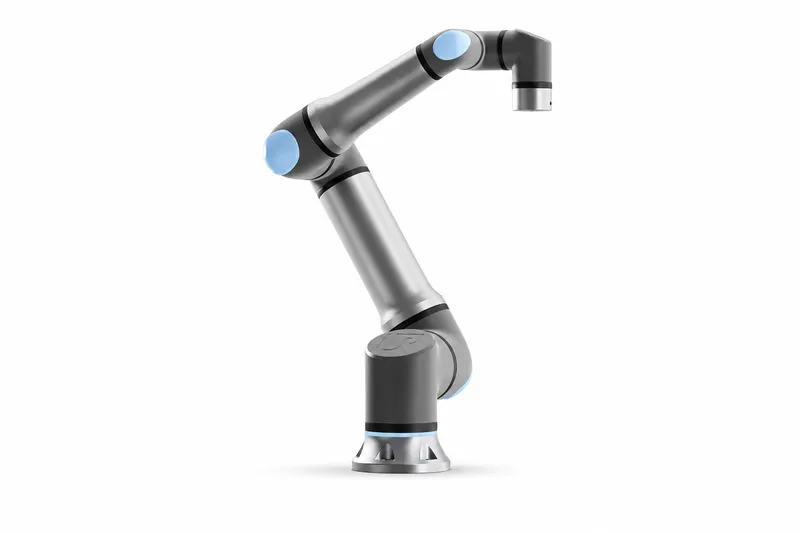
t300
0 wins
UR30
2 wins
Category breakdown
Deploy & operate
Readiness, uptime, navigation & connectivity
- 78Deployment readiness88
- 60Maintenance confidence60
- Vision-led navigation (estimated)NavigationVision-led navigation (estimated)
- Wi-Fi / cloud fleet management (estimated)ConnectivityWi-Fi / cloud fleet management (estimated)
Cost & ROI
Price accessibility and ROI clarity
- 76Price accessibility48
- 72ROI clarity82
Capability
Payload, speed, runtime & labor replacement
- 68Labor replacement79
- 300 kg (661 lbs); 400 kg in tow modePayload30 kg (66.1 lbs), 35 kg (77.1 lbs) with boundary conditions
- Maximum 1.2 m/sSpeedMax TCP speed: 4 m/s
- 12 h (no load), 6 h (fully loaded)BatteryNot applicable (arm-only, plugged to control box)
Fit & future
Environment fit, footprint & long-term upside
- 80Environment fit75
- 70Future potential81
- 780 × 500 × 1350 mm (W × D × H)FootprintCompact footprint of Ø 245 mm; height and depth vary with configuration; 1300 mm reach
t300 · Best for
Automotive parts fabrication — autonomous tray delivery between assembly stations (6 h continuous, 400 kg tow mode)
UR30 · Best for
Heavy-parts palletizing (20–30 kg boxes) on automotive or food production lines where floor space is premium
Final judgment
If immediate deployment is the priority, choose UR30. If the goal is to be ready when t300's capabilities mature, track it.