Pudu Robotics PUDU D7vsUnitree H2
Close call. PUDU D7 and H2 trade wins across the matrix.
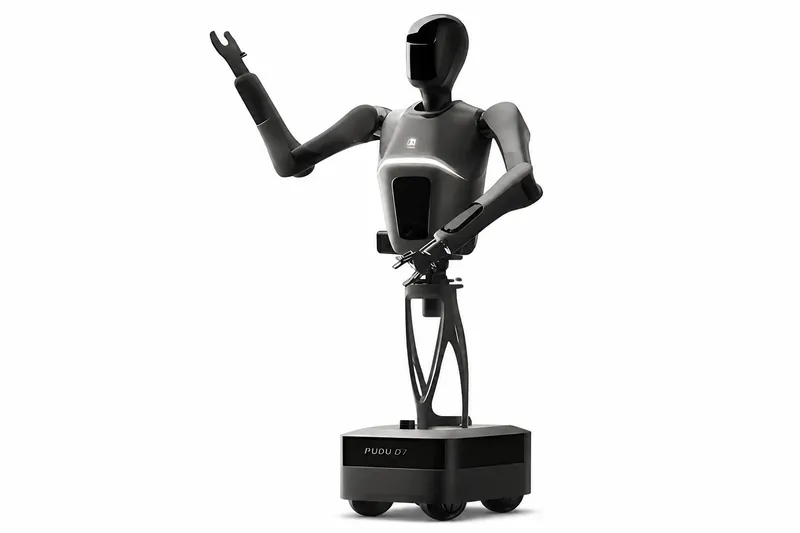
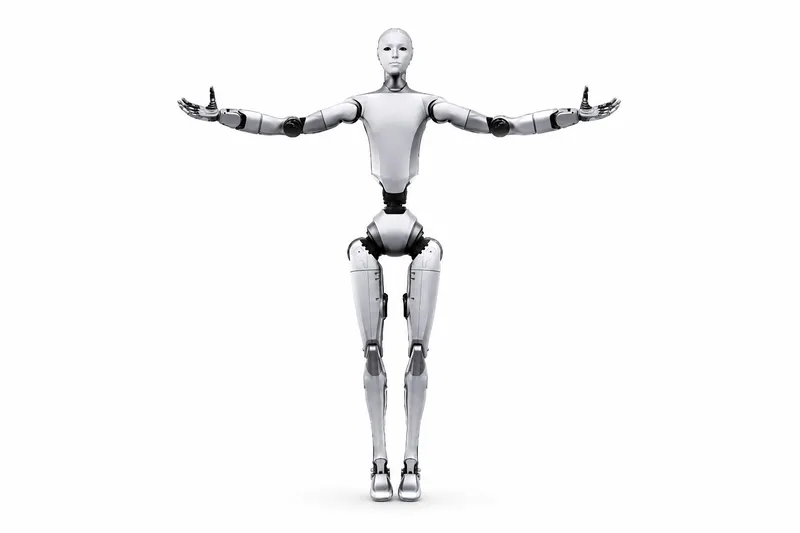
PUDU D7
2 wins
H2
1 wins
Category breakdown
Deploy & operate
Readiness, uptime, navigation & connectivity
- 65Deployment readiness65
- 60Maintenance confidence60
- Vision-led navigation (estimated)NavigationVision-led navigation (estimated)
- Wi-Fi / cloud fleet management (estimated)ConnectivityWi-Fi / cloud fleet management (estimated)
Cost & ROI
Price accessibility and ROI clarity
- 43Price accessibility54
- 55ROI clarity55
Capability
Payload, speed, runtime & labor replacement
- 60Labor replacement45
- 10 kg (bionic arms)Payload~7 kg rated / ~15 kg peak per arm
- Maximum 2 m/s with 360-degree omnidirectional movementSpeedless than 2 m/s
- Over 8 hours continuous operation from battery exceeding 1 kWhBatteryapproximately 3 hours
Fit & future
Environment fit, footprint & long-term upside
- 70Environment fit70
- 80Future potential75
- 60 x 60 x 165 cm (width x depth x height)Footprint1820 × 456 × 218 mm
PUDU D7 · Best for
Hospital supply chain: autonomous transport of meal trays, medication carts, and linen bins on single floors with elevator access, reducing nursing aide labor during peak hours.
H2 · Best for
University research labs deploying multiple units for bipedal locomotion, human-robot interaction, and embodied AI studies
Final judgment
Both are credible picks. Decide on cost and supplier proximity, not capability — the gap is small.