Omron LD-60vsPudu Robotics HolaBot
Close call. LD-60 and HolaBot trade wins across the matrix.
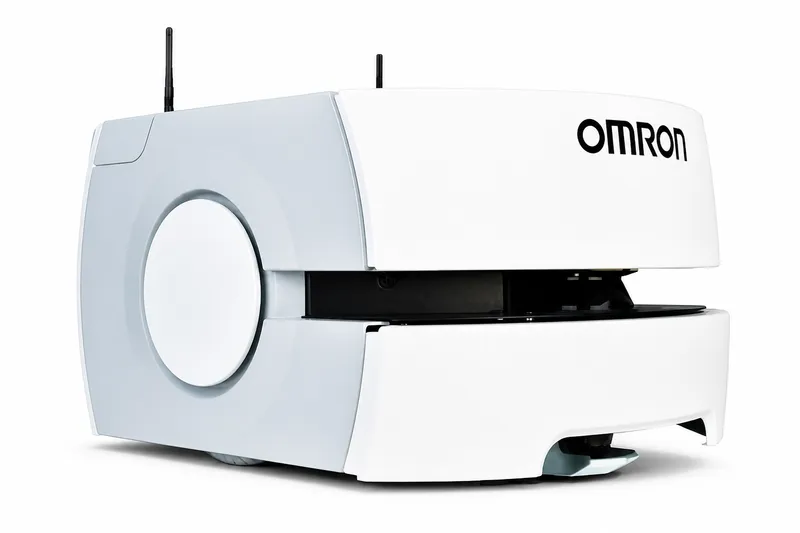
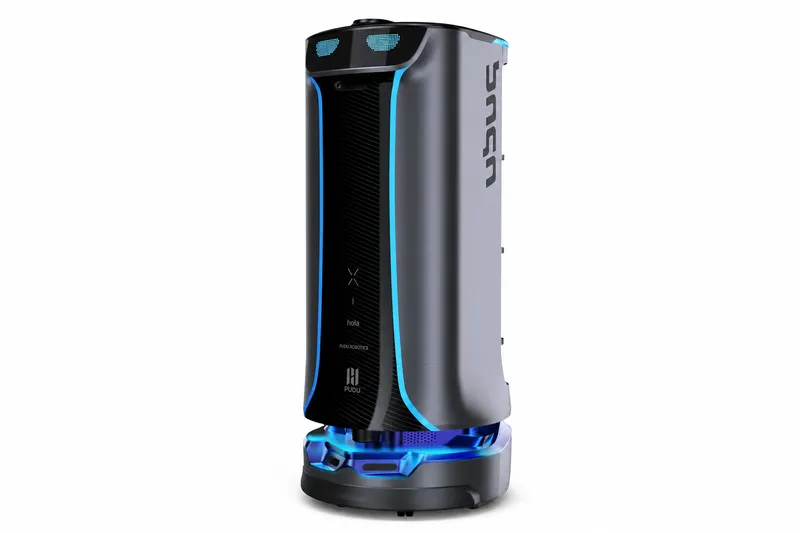
LD-60
1 wins
HolaBot
1 wins
Category breakdown
Deploy & operate
Readiness, uptime, navigation & connectivity
- 85Deployment readiness82
- 60Maintenance confidence60
- Vision-led navigation (estimated)NavigationVision-led navigation (estimated)
- Wi-Fi / cloud fleet management (estimated)ConnectivityWi-Fi / cloud fleet management (estimated)
Cost & ROI
Price accessibility and ROI clarity
- 63Price accessibility82
- 75ROI clarity78
Capability
Payload, speed, runtime & labor replacement
- 70Labor replacement75
- 60 kgPayload60 kg carrying capacity; 120 L volume with 4-tier loading zones
- 1.8 m/s maximumSpeed0.5–1.2 m/s (adjustable)
- 15 hours (no payload); 4 hours (100% duty cycle)Battery10–24 hours (replaceable battery)
Fit & future
Environment fit, footprint & long-term upside
- 80Environment fit72
- 60Future potential55
- 697 × 499 × 380 mm (W × D × H)Footprint541 × 531 × 1226 mm (W × D × H)
LD-60 · Best for
Parts and work-in-process transfer on automotive assembly lines (buffering between robotic arms and human stations)
HolaBot · Best for
Full-service restaurant table bussing: 150–200-seat venue, dinner rush, 80+ table turns.
Final judgment
Both are credible picks. Decide on cost and supplier proximity, not capability — the gap is small.