Omron LD-250vsServe Robotics Gen 3 Delivery Robot
Close call. LD-250 and Gen 3 Delivery Robot trade wins across the matrix.
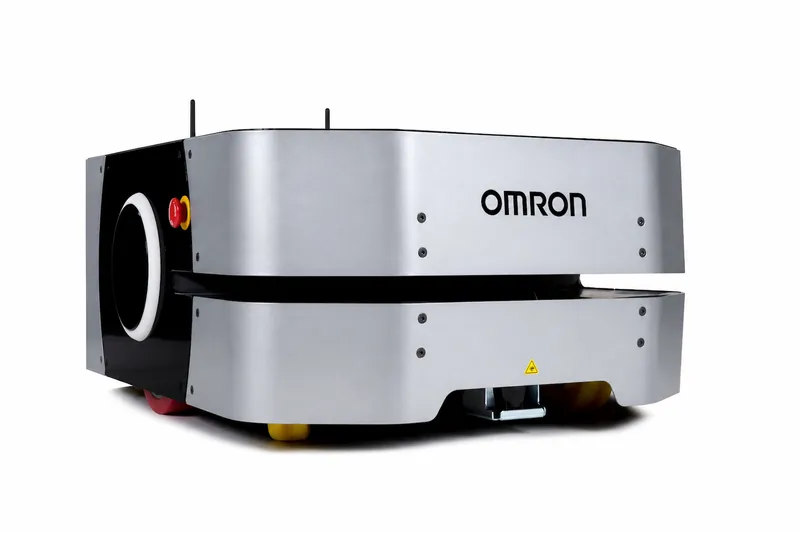
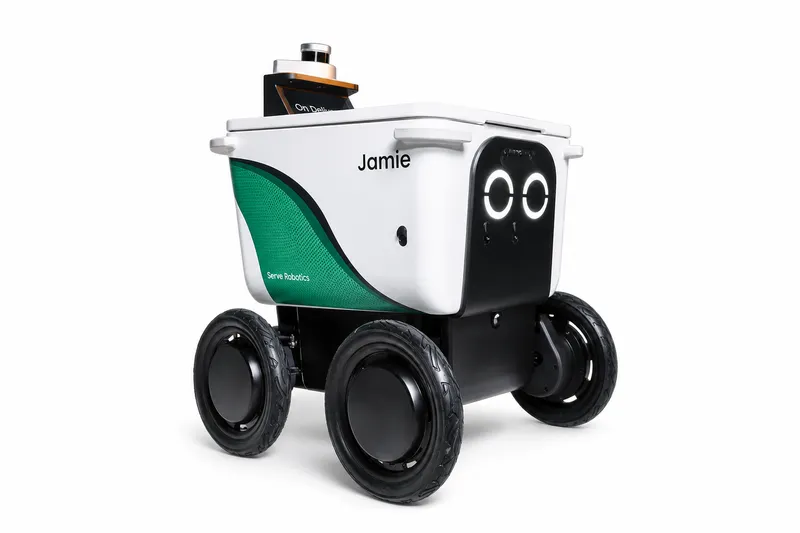
LD-250
2 wins
Gen 3 Delivery Robot
1 wins
Category breakdown
Deploy & operate
Readiness, uptime, navigation & connectivity
- 92Deployment readiness92
- 60Maintenance confidence60
- Vision-led navigation (estimated)NavigationVision-led navigation (estimated)
- Wi-Fi / cloud fleet management (estimated)ConnectivityWi-Fi / cloud fleet management (estimated)
Cost & ROI
Price accessibility and ROI clarity
- 26Price accessibility30
- 85ROI clarity78
Capability
Payload, speed, runtime & labor replacement
- 88Labor replacement85
- 250 kgPayload50 pounds (23 kg) / approximately 13 gallons cargo
- 1.2 m/sSpeed11 mph top speed
- 13 hours unloaded, 10 hours at full 250 kg load; 20-80% recharge in 2 hours 10 minutesBattery14 hours or 48 miles (77 km)
Fit & future
Environment fit, footprint & long-term upside
- 82Environment fit88
- 78Future potential89
- 718 × 969 × 383 mm (W × D × H)Footprint31" length × 26" width × 41" height (79 cm × 64 cm × 105 cm)
LD-250 · Best for
Automotive final-assembly line — transport transmission blocks and wire harnesses between stations, reducing manual handler fatigue.
Gen 3 Delivery Robot · Best for
High-volume food delivery for national chains (Uber Eats, DoorDash partner deployments in Los Angeles, Chicago, Miami, Atlanta)
Final judgment
Both are credible picks. Decide on cost and supplier proximity, not capability — the gap is small.