Omron LD-250vspudu t300
Omron LD-250 leads on 4 of 7 dimensions — strongest on deployment readiness.
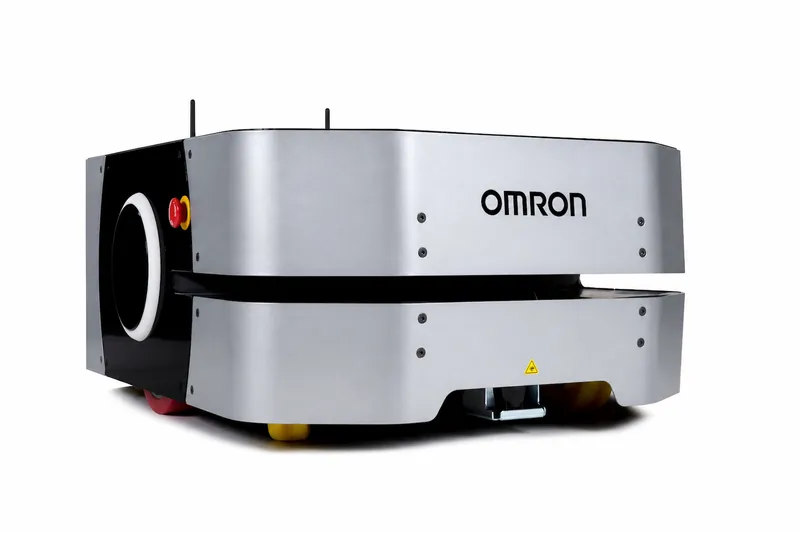
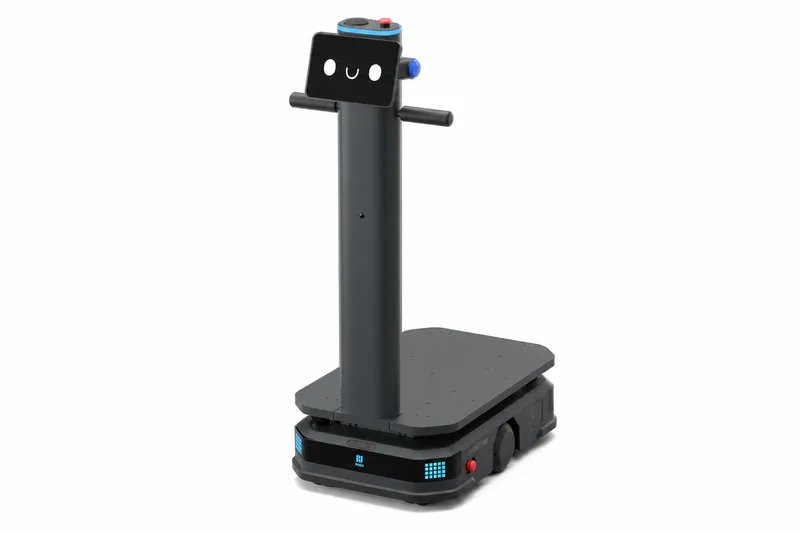
LD-250
3 wins
t300
0 wins
Category breakdown
Deploy & operate
Readiness, uptime, navigation & connectivity
- 92Deployment readiness78
- 60Maintenance confidence60
- Vision-led navigation (estimated)NavigationVision-led navigation (estimated)
- Wi-Fi / cloud fleet management (estimated)ConnectivityWi-Fi / cloud fleet management (estimated)
Cost & ROI
Price accessibility and ROI clarity
- 26Price accessibility76
- 85ROI clarity72
Capability
Payload, speed, runtime & labor replacement
- 88Labor replacement68
- 250 kgPayload300 kg (661 lbs); 400 kg in tow mode
- 1.2 m/sSpeedMaximum 1.2 m/s
- 13 hours unloaded, 10 hours at full 250 kg load; 20-80% recharge in 2 hours 10 minutesBattery12 h (no load), 6 h (fully loaded)
Fit & future
Environment fit, footprint & long-term upside
- 82Environment fit80
- 78Future potential70
- 718 × 969 × 383 mm (W × D × H)Footprint780 × 500 × 1350 mm (W × D × H)
LD-250 · Best for
Automotive final-assembly line — transport transmission blocks and wire harnesses between stations, reducing manual handler fatigue.
t300 · Best for
Automotive parts fabrication — autonomous tray delivery between assembly stations (6 h continuous, 400 kg tow mode)
Final judgment
If immediate deployment is the priority, choose LD-250. If the goal is to be ready when t300's capabilities mature, track it.