MagicLab MagicBot Gen1vsXPeng Iron
MagicLab MagicBot Gen1 leads on 4 of 7 dimensions — strongest on deployment readiness.
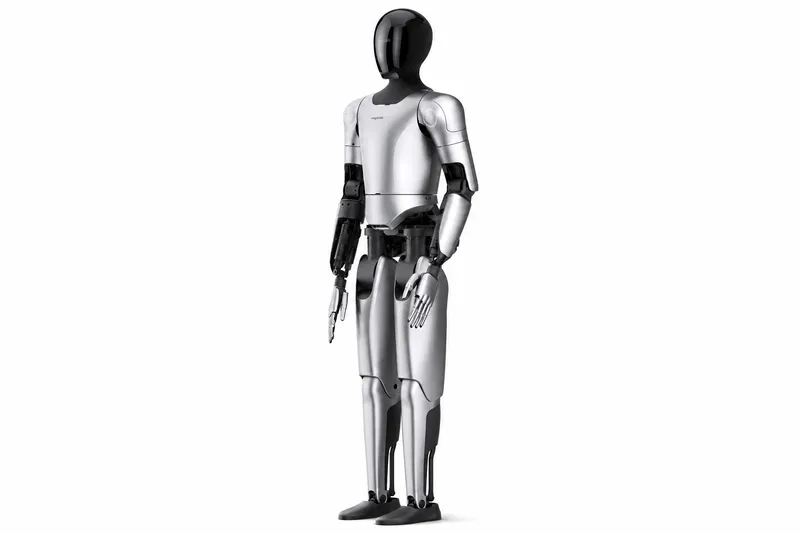
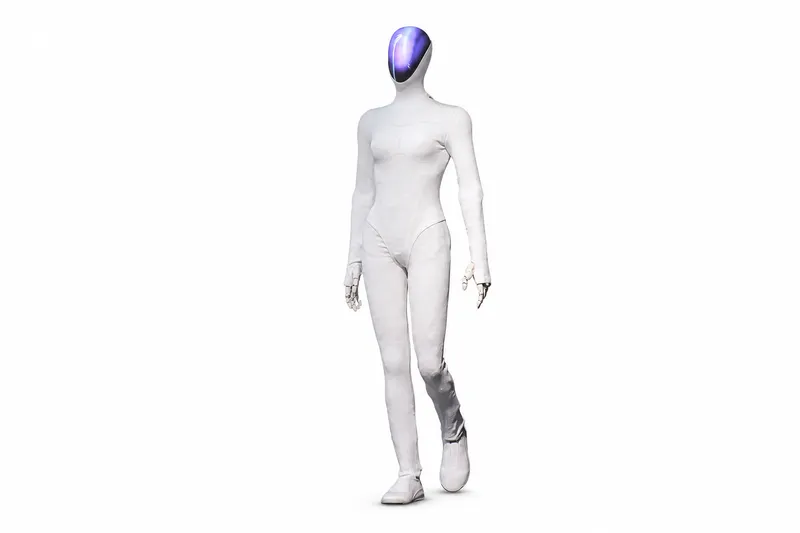
MagicBot Gen1
3 wins
Iron
0 wins
Category breakdown
Deploy & operate
Readiness, uptime, navigation & connectivity
- 72Deployment readiness62
- 60Maintenance confidence60
- Vision-led navigation (estimated)NavigationVision-led navigation (estimated)
- Wi-Fi / cloud fleet management (estimated)ConnectivityWi-Fi / cloud fleet management (estimated)
Cost & ROI
Price accessibility and ROI clarity
- 33Price accessibility10
- 55ROI clarity48
Capability
Payload, speed, runtime & labor replacement
- 68Labor replacement55
- 7.5 kg per-arm payload; 40 kg total body static loadPayload22 DOF per hand enabling delicate manipulation such as grabbing eggs and unscrewing caps
- 4 km/hSpeed2 meters per second (~6.5 feet per second) in testing
- 25 Ah (~1.35 kWh) battery for ~4–5 hoursBatteryAll-solid-state batteries with ultra-high energy density; runtime duration not publicly disclosed
Fit & future
Environment fit, footprint & long-term upside
- 70Environment fit68
- 75Future potential78
- 174 × 58 × 28 cm (W × D × H)Footprint1.73 m tall; width and depth not disclosed
MagicBot Gen1 · Best for
Circuit board inspection and barcode scanning on production lines (confirmed December 2024 deployment)
Iron · Best for
Retail showroom product demonstrator in 200+ sq m spaces with steady foot traffic
Final judgment
If immediate deployment is the priority, choose MagicBot Gen1. If the goal is to be ready when Iron's capabilities mature, track it.