LimX Dynamics OlivsPaXini TORA ONE
Close call. Oli and TORA ONE trade wins across the matrix.

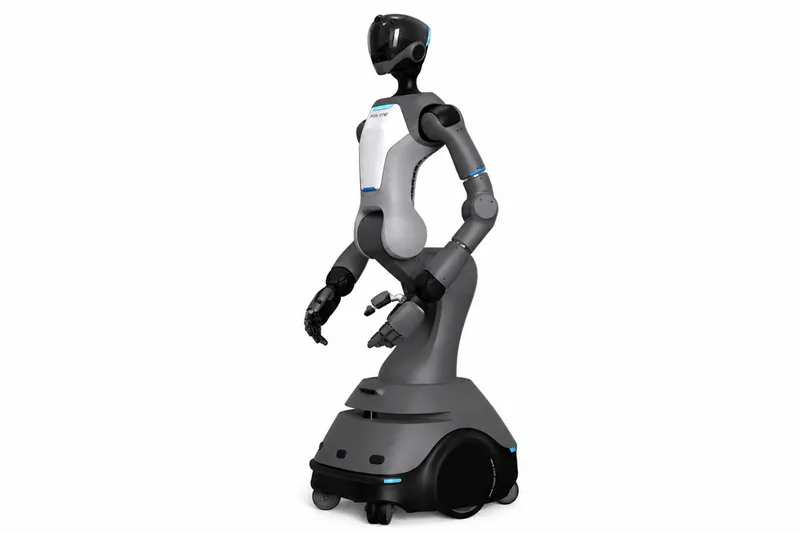
Oli
1 wins
TORA ONE
1 wins
Category breakdown
Deploy & operate
Readiness, uptime, navigation & connectivity
- 55Deployment readiness68
- 60Maintenance confidence60
- Vision-led navigation (estimated)NavigationVision-led navigation (estimated)
- Wi-Fi / cloud fleet management (estimated)ConnectivityWi-Fi / cloud fleet management (estimated)
Cost & ROI
Price accessibility and ROI clarity
- 75Price accessibility64
- 45ROI clarity52
Capability
Payload, speed, runtime & labor replacement
- 60Labor replacement64
- 3 kg (single-arm, EDU version); varies by configurationPayload6–8 kg per arm
- 1 m/s arm movement; base walking speed ~1.5 m/s (estimated)Speed1 m/s travel speed
- ~1.5 hours (EDU version with 9,500 mAh battery)Battery8 hours
Fit & future
Environment fit, footprint & long-term upside
- 70Environment fit71
- 75Future potential76
- Shoulder width 55 cm, arm length 70 cm, height 165 cmFootprintHeight adjustable 1460–1860 mm; width and depth not specified
Oli · Best for
University robotics labs validating bipedal control and whole-body loco-manipulation algorithms
TORA ONE · Best for
Precision component assembly with tactile feedback in electronics or semiconductor manufacturing.
Final judgment
If immediate deployment is the priority, choose TORA ONE. If the goal is to be ready when Oli's capabilities mature, track it.