leju KUAVO 5vsBooster Robotics T2
Booster Robotics T2 leads on 2 of 7 dimensions — strongest on deployment readiness.
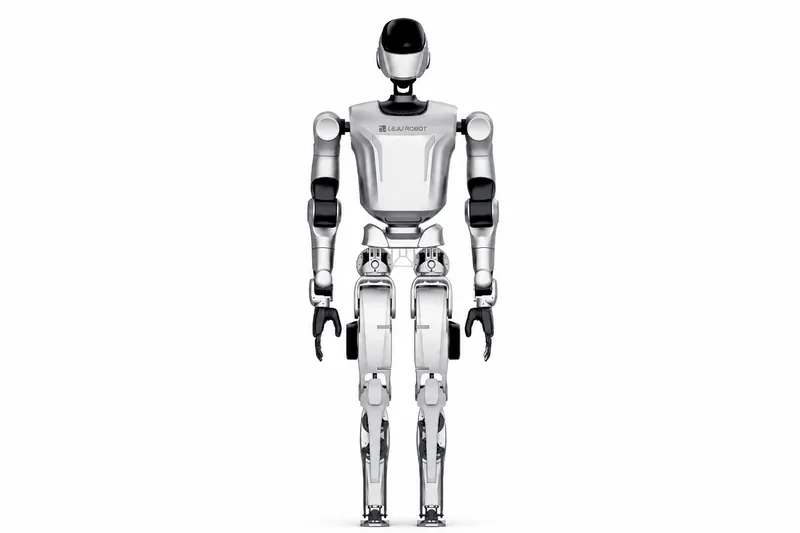
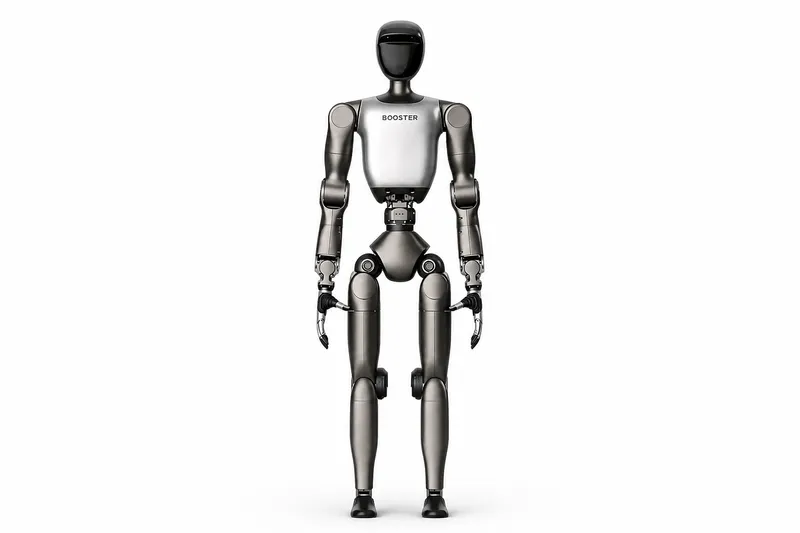
KUAVO 5
1 wins
T2
2 wins
Category breakdown
Deploy & operate
Readiness, uptime, navigation & connectivity
- 60Deployment readiness68
- 60Maintenance confidence60
- Vision-led navigation (estimated)NavigationVision-led navigation (estimated)
- Wi-Fi / cloud fleet management (estimated)ConnectivityWi-Fi / cloud fleet management (estimated)
Cost & ROI
Price accessibility and ROI clarity
- 65Price accessibility68
- 50ROI clarity52
Capability
Payload, speed, runtime & labor replacement
- 65Labor replacement65
- 20 kg total; 10 kg dual-arm upper-bodyPayload10 kg maximum dual-arm payload
- 4.6 km/h omnidirectional walkingSpeed2 m/s walking speed
- more than 8 hours per chargeBattery2 hours of continuous walking
Fit & future
Environment fit, footprint & long-term upside
- 70Environment fit71
- 75Future potential82
- height adjustable per modular design; KUAVO-MY reference ~550 × 380 × 1700 mmFootprint1.4 m height, ~42-43 kg weight
KUAVO 5 · Best for
Automotive plant assembly lines with flexible task routing (tested at Nio in 2024)
T2 · Best for
RoboCup-competitive research and academic robotics competitions
Final judgment
If immediate deployment is the priority, choose T2. If the goal is to be ready when KUAVO 5's capabilities mature, track it.