Keenon T10vsKeenon T8
Close call. T10 and T8 trade wins across the matrix.
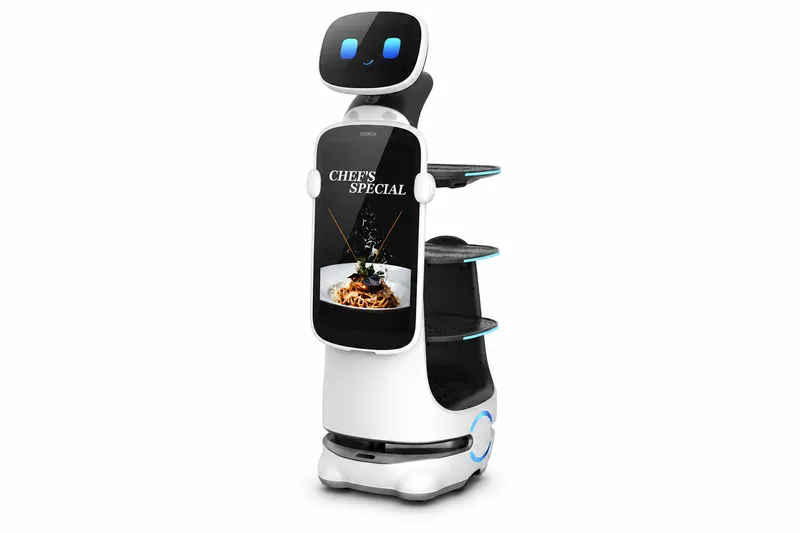
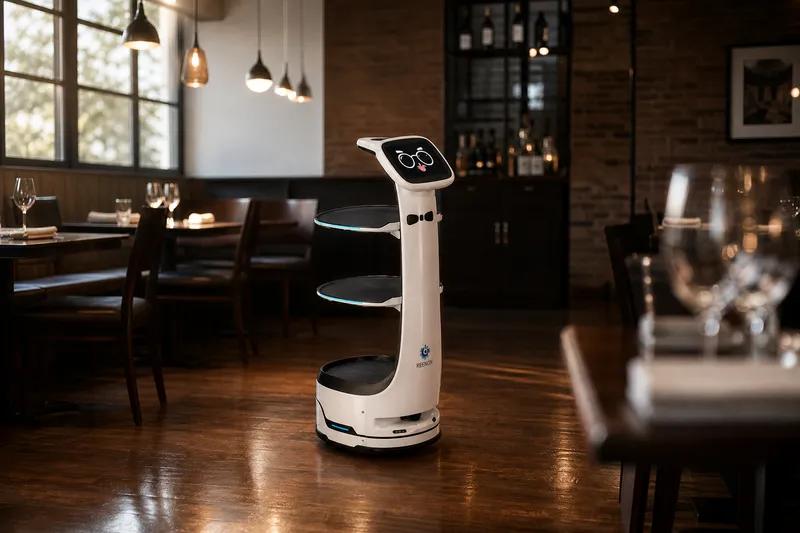
T10
1 wins
T8
2 wins
Category breakdown
Deploy & operate
Readiness, uptime, navigation & connectivity
- 85Deployment readiness82
- 60Maintenance confidence60
- Vision-led navigation (estimated)NavigationVision-led navigation (estimated)
- Wi-Fi / cloud fleet management (estimated)ConnectivityWi-Fi / cloud fleet management (estimated)
Cost & ROI
Price accessibility and ROI clarity
- 82Price accessibility62
- 78ROI clarity78
Capability
Payload, speed, runtime & labor replacement
- 72Labor replacement72
- 40 kg (10 kg per tray across 4 layers)Payload20 kg (across three tiers)
- 0.1–1.0 m/s adjustable; 0.8 m/s at full load on dry roadSpeed1.0 m/s (0.8–1.2 m/s adjustable)
- 6 hours nominal; up to 10 hours under optimal conditionsBattery15 hours (label mode); 10–15 hours typical; 8–10 hours (laser mapping mode)
Fit & future
Environment fit, footprint & long-term upside
- 82Environment fit88
- 76Future potential75
- 486 × 555 × 1,399 mm (W × D × H)Footprint384 × 468 × 1123 mm (W × D × H)
T10 · Best for
200+ seat hotpot or casual dining chains during peak dinner service (one robot per 4–5 tables)
T8 · Best for
Narrow-aisle restaurants and cafes with tight kitchen-to-table distances
Final judgment
Both are credible picks. Decide on cost and supplier proximity, not capability — the gap is small.