Ghost Robotics Vision 60vsKepler Robotics Pioneer K2
Close call. Vision 60 and Pioneer K2 trade wins across the matrix.
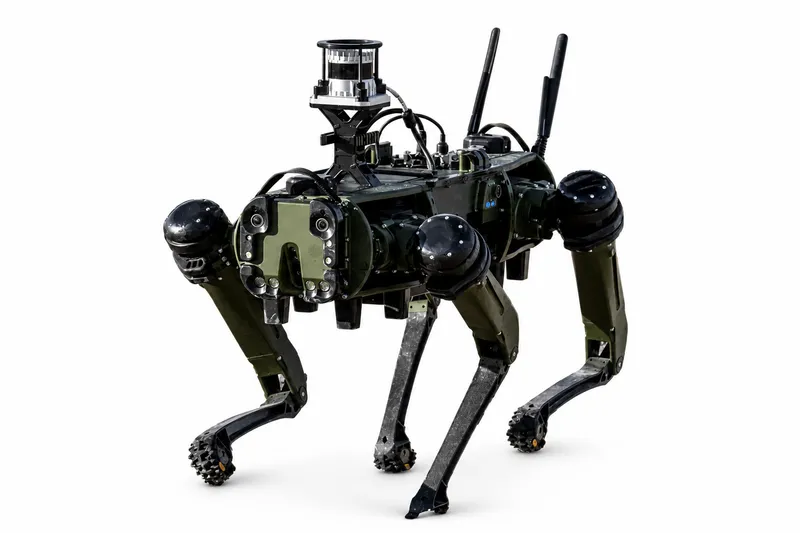
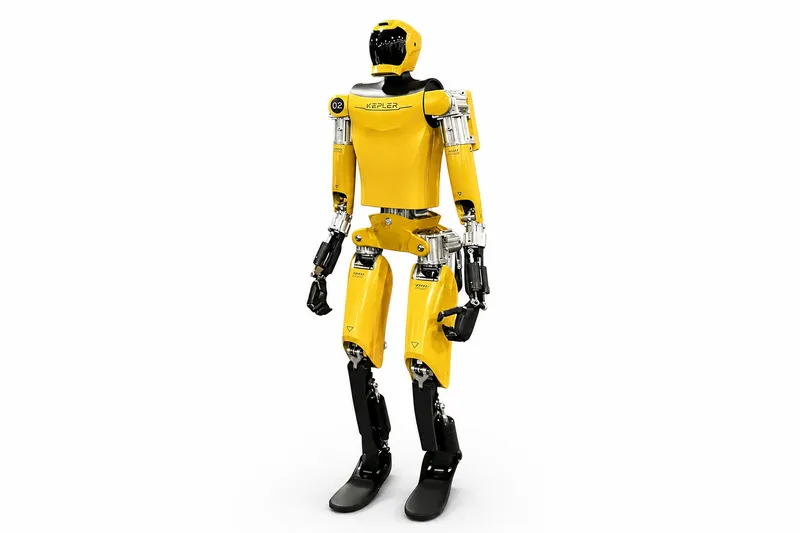
Vision 60
2 wins
Pioneer K2
2 wins
Category breakdown
Deploy & operate
Readiness, uptime, navigation & connectivity
- 78Deployment readiness72
- 60Maintenance confidence60
- Vision-led navigation (estimated)NavigationVision-led navigation (estimated)
- Wi-Fi / cloud fleet management (estimated)ConnectivityWi-Fi / cloud fleet management (estimated)
Cost & ROI
Price accessibility and ROI clarity
- 29Price accessibility72
- 55ROI clarity58
Capability
Payload, speed, runtime & labor replacement
- 45Labor replacement70
- 10 kgPayload15 kg per arm, up to 30 kg with both arms
- Max 3.0 m/s; standard walk 1 m/sSpeed1 m/s or 3.5 km/h walking or moving speed
- 3.15 hours continuous walking at 0.9 m/s; 10 km (terrain and payload dependent) or 21 hours standby timeBatteryUp to eight hours operational time on a single one-hour charge
Fit & future
Environment fit, footprint & long-term upside
- 92Environment fit68
- 80Future potential75
- Overall length 950mm (37.5in); overall width 570mm (22.5in), body width 250mm (10in); overall height (standing) 685mm (27in), ride height 419mm (16.5in)Footprint175 cm tall
Vision 60 · Best for
Border patrol and perimeter security at military installations where GPS-denied navigation and 21-hour standby monitoring are required.
Pioneer K2 · Best for
Automotive assembly lines: repetitive bin-picking, fastener insertion, and sub-assembly tasks at SAIC-GM scale.
Final judgment
If immediate deployment is the priority, choose Vision 60. If the goal is to be ready when Pioneer K2's capabilities mature, track it.