Galbot S1vsUnitree A2
Unitree A2 leads on 4 of 7 dimensions — strongest on deployment readiness.
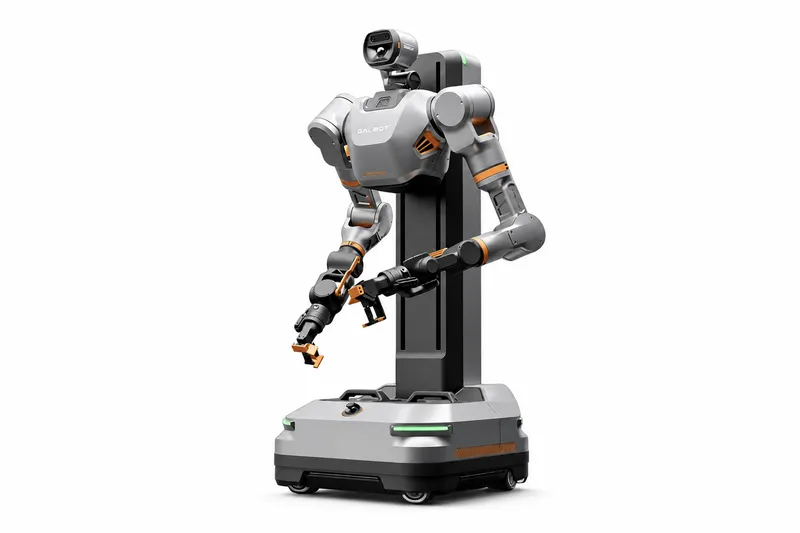
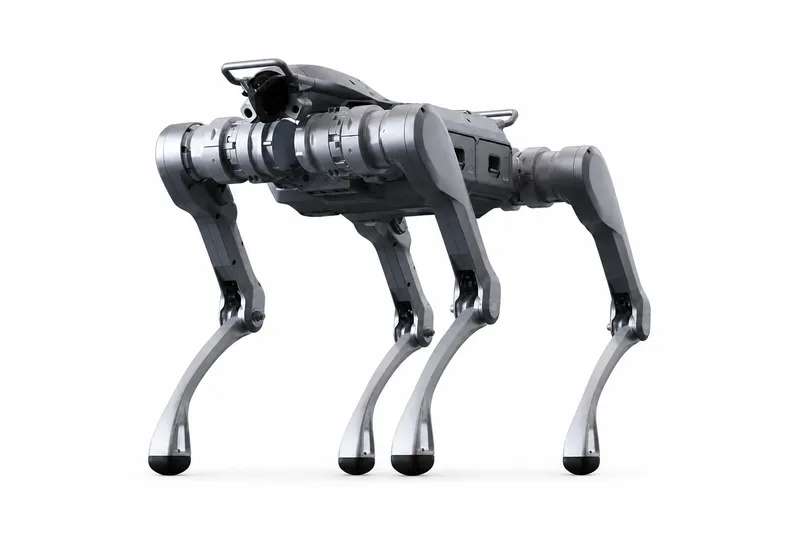
S1
0 wins
A2
4 wins
Category breakdown
Deploy & operate
Readiness, uptime, navigation & connectivity
- 72Deployment readiness80
- 60Maintenance confidence60
- Vision-led navigation (estimated)NavigationVision-led navigation (estimated)
- Wi-Fi / cloud fleet management (estimated)ConnectivityWi-Fi / cloud fleet management (estimated)
Cost & ROI
Price accessibility and ROI clarity
- 30Price accessibility35
- 45ROI clarity65
Capability
Payload, speed, runtime & labor replacement
- 78Labor replacement55
- 50 kg dual-arm continuous capacityPayload100 kg stationary; 25 kg continuous walking
- —SpeedUp to 5 m/s (11.2 mph)
- Up to 8 hours on a single charge; dual-battery quick-swap design enables autonomous battery replacement for 24/7 operationBattery5+ hours unloaded (~20 km); 3+ hours loaded with 25 kg (~12.5 km)
Fit & future
Environment fit, footprint & long-term upside
- 68Environment fit85
- 82Future potential80
- —Footprint44 × 57 × 82 cm (W × D × H)
S1 · Best for
Battery cell assembly on CATL production lines with repetitive 30–50 kg transfer cycles.
A2 · Best for
Infrastructure inspection in dusty or rugged environments with up to 45-degree slope navigation
Final judgment
If immediate deployment is the priority, choose A2. If the goal is to be ready when S1's capabilities mature, track it.