Galbot S1vsUnitree A1
Close call. S1 and A1 trade wins across the matrix.
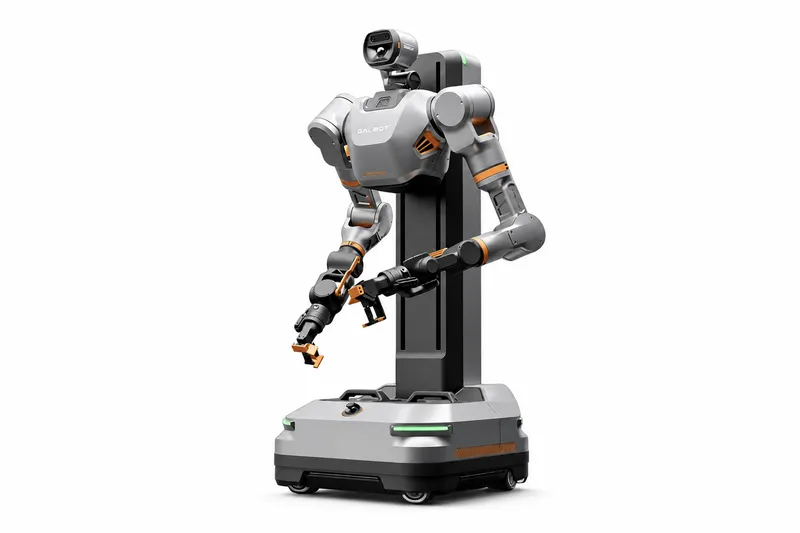
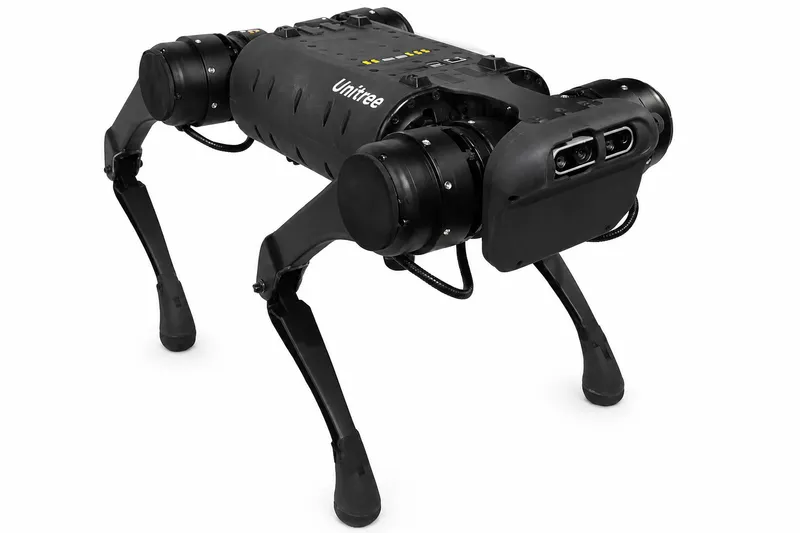
S1
3 wins
A1
1 wins
Category breakdown
Deploy & operate
Readiness, uptime, navigation & connectivity
- 72Deployment readiness65
- 60Maintenance confidence60
- Vision-led navigation (estimated)NavigationVision-led navigation (estimated)
- Wi-Fi / cloud fleet management (estimated)ConnectivityWi-Fi / cloud fleet management (estimated)
Cost & ROI
Price accessibility and ROI clarity
- 30Price accessibility93
- 45ROI clarity50
Capability
Payload, speed, runtime & labor replacement
- 78Labor replacement40
- 50 kg dual-arm continuous capacityPayload5 kg maximum
- —Speed3.3 m/s maximum in Sport mode
- Up to 8 hours on a single charge; dual-battery quick-swap design enables autonomous battery replacement for 24/7 operationBattery1–2.5 hours per charge
Fit & future
Environment fit, footprint & long-term upside
- 68Environment fit70
- 82Future potential45
- —Footprint500 × 300 × 400 mm (W × D × H)
S1 · Best for
Battery cell assembly on CATL production lines with repetitive 30–50 kg transfer cycles.
A1 · Best for
Outdoor terrain inspection on rocky or uneven ground where wheeled AMRs fail
Final judgment
If immediate deployment is the priority, choose S1. If the goal is to be ready when A1's capabilities mature, track it.