Galbot S1vsROBOTIS OP3
Galbot S1 leads on 4 of 7 dimensions — strongest on deployment readiness.
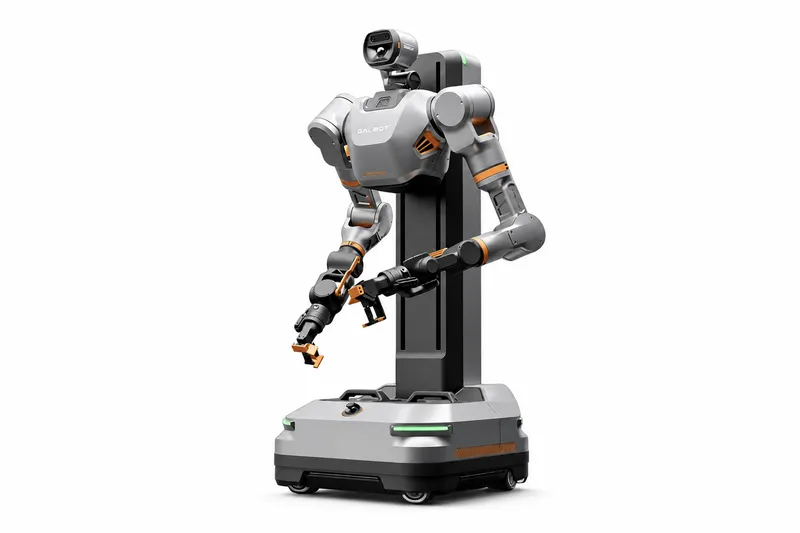
S1
3 wins
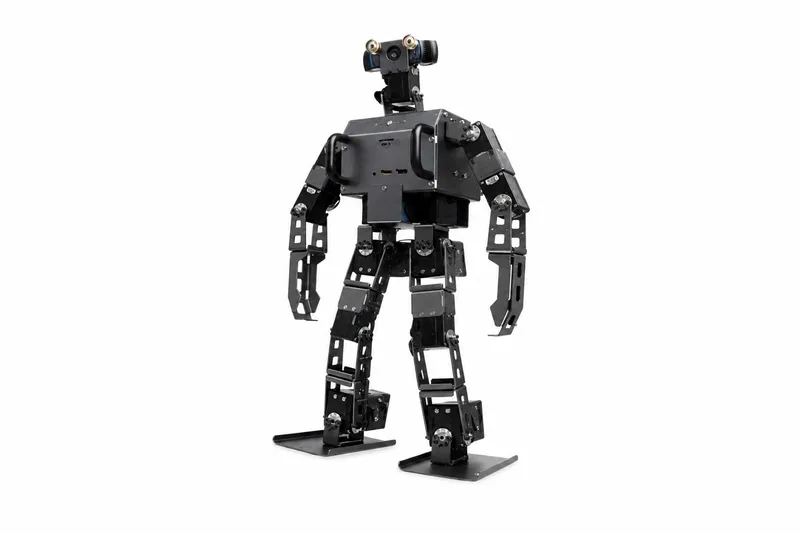
OP3
0 wins
Category breakdown
Deploy & operate
Readiness, uptime, navigation & connectivity
- 72Deployment readiness35
- 60Maintenance confidence60
- Vision-led navigation (estimated)NavigationVision-led navigation (estimated)
- Wi-Fi / cloud fleet management (estimated)ConnectivityWi-Fi / cloud fleet management (estimated)
Cost & ROI
Price accessibility and ROI clarity
- 30Price accessibility88
- 45ROI clarity25
Capability
Payload, speed, runtime & labor replacement
- 78Labor replacement15
- 50 kg dual-arm continuous capacityPayload~3.5 kg (total unit weight)
- —Speed24 cm/sec (default walking speed, user-modifiable)
- Up to 8 hours on a single charge; dual-battery quick-swap design enables autonomous battery replacement for 24/7 operationBattery30 minutes per charge (1800 mAh LiPo)
Fit & future
Environment fit, footprint & long-term upside
- 68Environment fit70
- 82Future potential75
- —Footprint510 mm height; width and depth not published (~46 cm estimated height)
S1 · Best for
Battery cell assembly on CATL production lines with repetitive 30–50 kg transfer cycles.
OP3 · Best for
University robotics labs developing bipedal walking algorithms and balance controllers
Final judgment
If immediate deployment is the priority, choose S1. If the goal is to be ready when OP3's capabilities mature, track it.