GAC GoMatevsMagicLab MagicBot Z1
Close call. GoMate and MagicBot Z1 trade wins across the matrix.
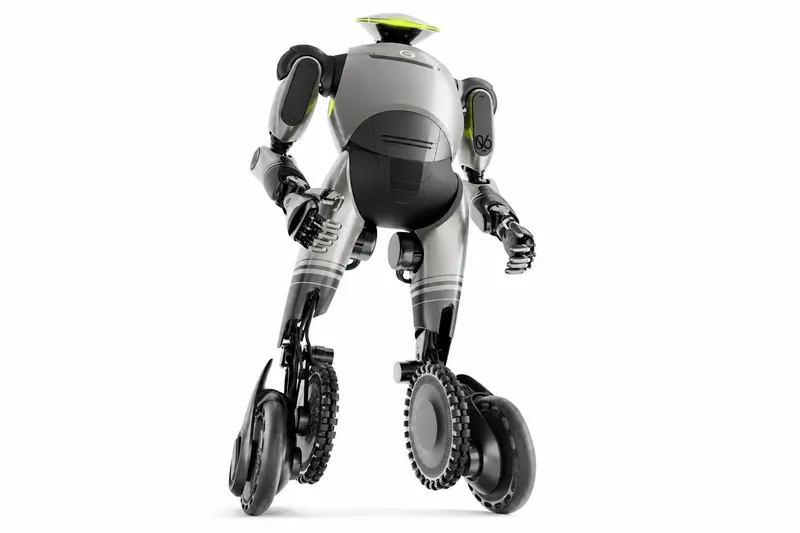
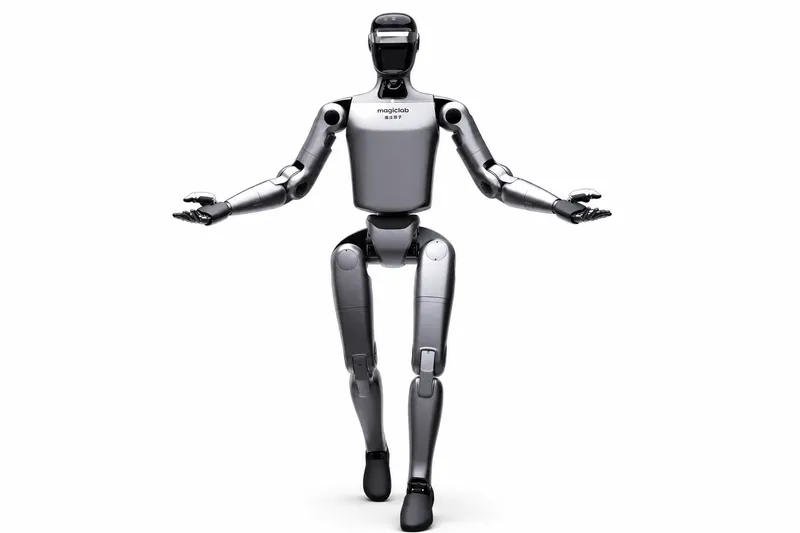
GoMate
1 wins
MagicBot Z1
1 wins
Category breakdown
Deploy & operate
Readiness, uptime, navigation & connectivity
- 45Deployment readiness72
- 60Maintenance confidence60
- Vision-led navigation (estimated)NavigationVision-led navigation (estimated)
- Wi-Fi / cloud fleet management (estimated)ConnectivityWi-Fi / cloud fleet management (estimated)
Cost & ROI
Price accessibility and ROI clarity
- 61Price accessibility48
- 35ROI clarity55
Capability
Payload, speed, runtime & labor replacement
- 65Labor replacement48
- 35 kgPayload3 kg per arm
- —Speed2.5 m/s (~9 km/h) jog
- Up to six hoursBattery2 hours (10,000 mAh, 15-cell)
Fit & future
Environment fit, footprint & long-term upside
- 70Environment fit68
- 75Future potential78
- 1.4 m tall (four-wheel mode) / up to 1.75 m tall (two-wheel/bipedal mode)Footprint136.9 cm H × 42.2 cm W × 20.0 cm D
GoMate · Best for
Chassis assembly defect detection (early users report reduction from 1.2% to 0.4% defect rate)
MagicBot Z1 · Best for
University robotics research on bipedal locomotion, imitation learning, and acrobatic motion capture.
Final judgment
If immediate deployment is the priority, choose MagicBot Z1. If the goal is to be ready when GoMate's capabilities mature, track it.