Fourier Intelligence GR-2vsPhyBot M1
Close call. GR-2 and M1 trade wins across the matrix.
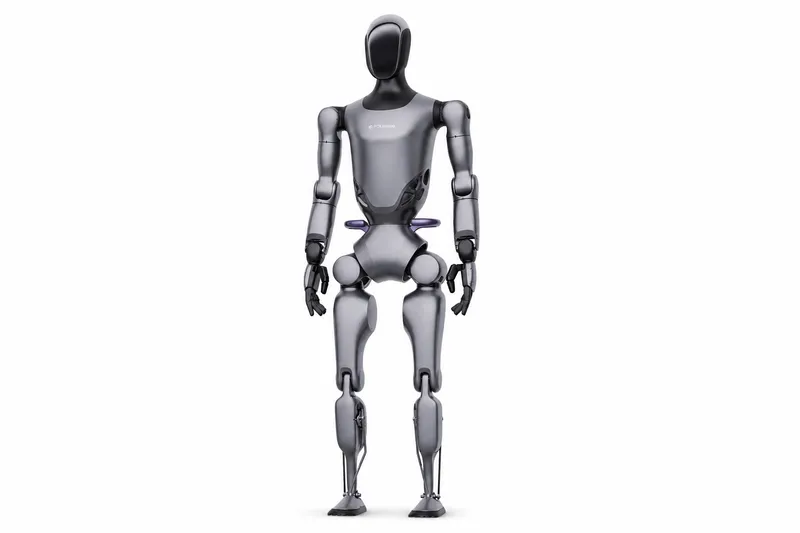
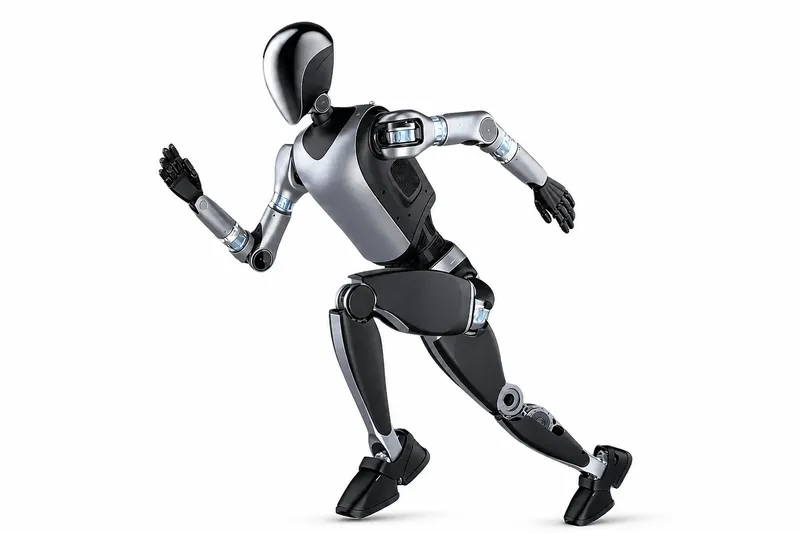
GR-2
1 wins
M1
1 wins
Category breakdown
Deploy & operate
Readiness, uptime, navigation & connectivity
- 58Deployment readiness45
- 60Maintenance confidence60
- Vision-led navigation (estimated)NavigationVision-led navigation (estimated)
- Wi-Fi / cloud fleet management (estimated)ConnectivityWi-Fi / cloud fleet management (estimated)
Cost & ROI
Price accessibility and ROI clarity
- 32Price accessibility66
- 42ROI clarity35
Capability
Payload, speed, runtime & labor replacement
- 35Labor replacement60
- 3 kg (single-arm load capacity)Payload20 kg per arm, 50 kg via backpack system
- Up to 5 km/h walking speedSpeed10 km/h (6.2 mph)
- Up to 2 hoursBattery2+ hours
Fit & future
Environment fit, footprint & long-term upside
- 72Environment fit70
- 78Future potential75
- 175 cm heightFootprintHeight 172 cm (5 feet 7 inches)
GR-2 · Best for
Embodied AI research on grasping, force feedback, and sim-to-real transfer
M1 · Best for
Heavy parts assembly in automotive or appliance manufacturing where human-scale bipedal access to elevated worktables is required
Final judgment
If immediate deployment is the priority, choose GR-2. If the goal is to be ready when M1's capabilities mature, track it.