Fourier Intelligence GR-1vsROBOTIS OP3
Close call. GR-1 and OP3 trade wins across the matrix.
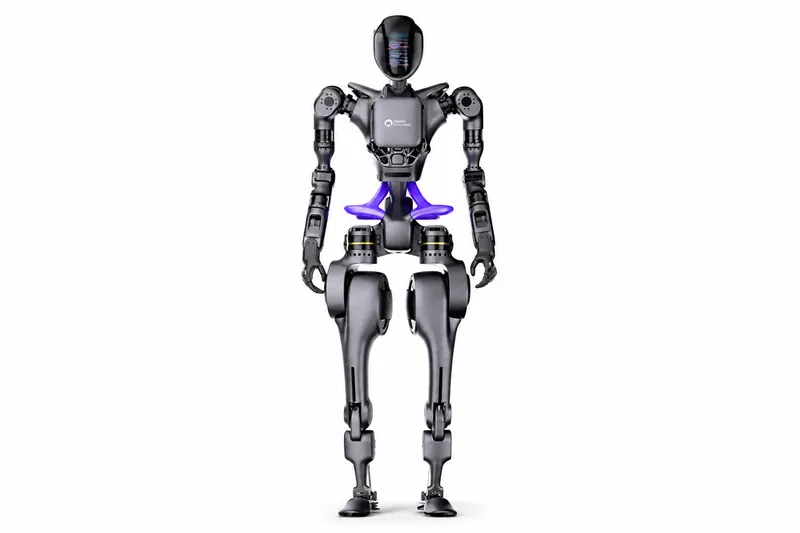
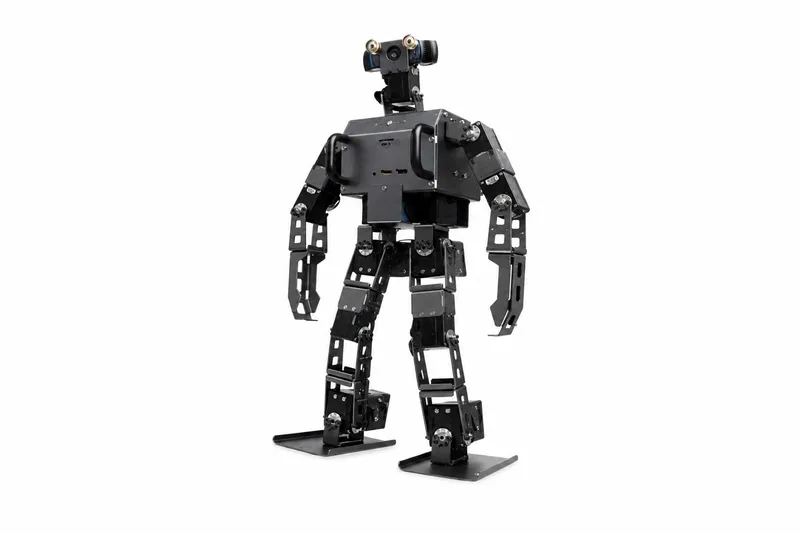
GR-1
1 wins
OP3
2 wins
Category breakdown
Deploy & operate
Readiness, uptime, navigation & connectivity
- 42Deployment readiness35
- 60Maintenance confidence60
- Vision-led navigation (estimated)NavigationVision-led navigation (estimated)
- Wi-Fi / cloud fleet management (estimated)ConnectivityWi-Fi / cloud fleet management (estimated)
Cost & ROI
Price accessibility and ROI clarity
- 29Price accessibility88
- 28ROI clarity25
Capability
Payload, speed, runtime & labor replacement
- 50Labor replacement15
- 50 kgPayload~3.5 kg (total unit weight)
- 5 kphSpeed24 cm/sec (default walking speed, user-modifiable)
- 1 hourBattery30 minutes per charge (1800 mAh LiPo)
Fit & future
Environment fit, footprint & long-term upside
- 65Environment fit70
- 72Future potential75
- 1.65 m height, 55 kg weightFootprint510 mm height; width and depth not published (~46 cm estimated height)
GR-1 · Best for
Patient transfer and mobility assistance in hospital settings, leveraging 50 kg payload for safe lift-and-transfer tasks.
OP3 · Best for
University robotics labs developing bipedal walking algorithms and balance controllers
Final judgment
If immediate deployment is the priority, choose GR-1. If the goal is to be ready when OP3's capabilities mature, track it.