EngineAI PM01vsROBOTERA L7
Close call. PM01 and L7 trade wins across the matrix.
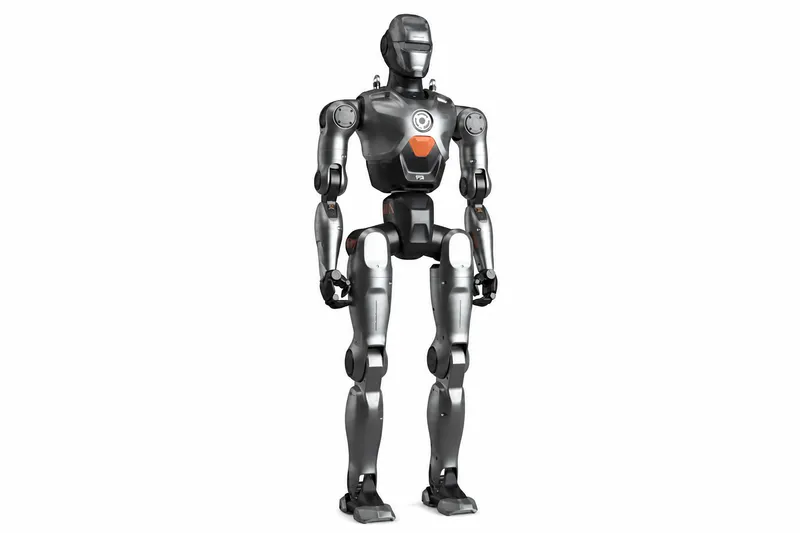
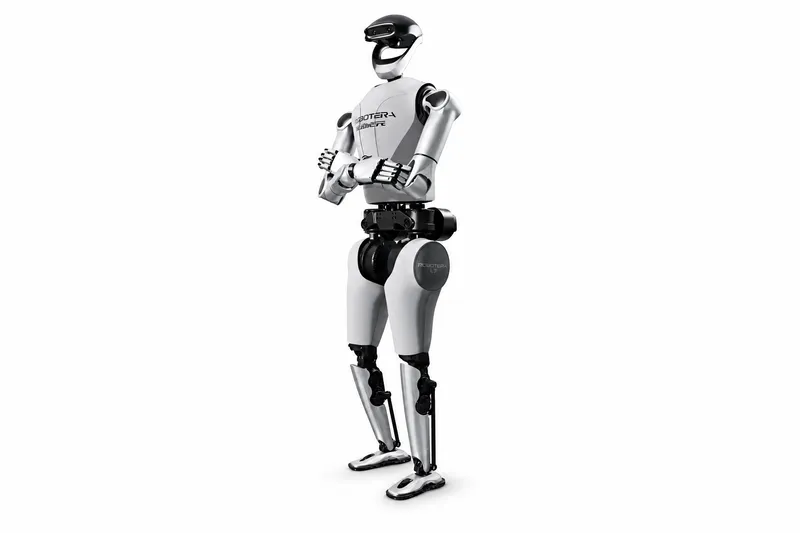
PM01
1 wins
L7
1 wins
Category breakdown
Deploy & operate
Readiness, uptime, navigation & connectivity
- 65Deployment readiness62
- 60Maintenance confidence60
- Vision-led navigation (estimated)NavigationVision-led navigation (estimated)
- Wi-Fi / cloud fleet management (estimated)ConnectivityWi-Fi / cloud fleet management (estimated)
Cost & ROI
Price accessibility and ROI clarity
- 88Price accessibility33
- 55ROI clarity55
Capability
Payload, speed, runtime & labor replacement
- 45Labor replacement72
- unknownPayload20 kg (dual-arm)
- 2 m/secSpeed4 m/s (14.4 km/h)
- Approximately 2 hours per charge; 10,000 mAh quick-release batteryBattery1–2 hours under moderate use per charge with swappable system (estimated)
Fit & future
Environment fit, footprint & long-term upside
- 70Environment fit68
- 75Future potential78
- 490 × 220 × 1388 mm (W × D × H)Footprint500 × 400 × 1,710 mm (W × D × H)
PM01 · Best for
University robotics labs validating bipedal locomotion algorithms using end-to-end neural networks
L7 · Best for
Precision industrial tasks: sorting, scanning, screw-driving, and delicate operations like tearing paper towels and pulling curtains alongside heavy material handling
Final judgment
Both are credible picks. Decide on cost and supplier proximity, not capability — the gap is small.