Dobot Rover X1vsKeenon T10
For 200+ seat hotpot or casual dining chains during peak dinner service (one robot per 4–5 tables), T10 is easier to deploy today — Rover X1 is the longer bet on capability.
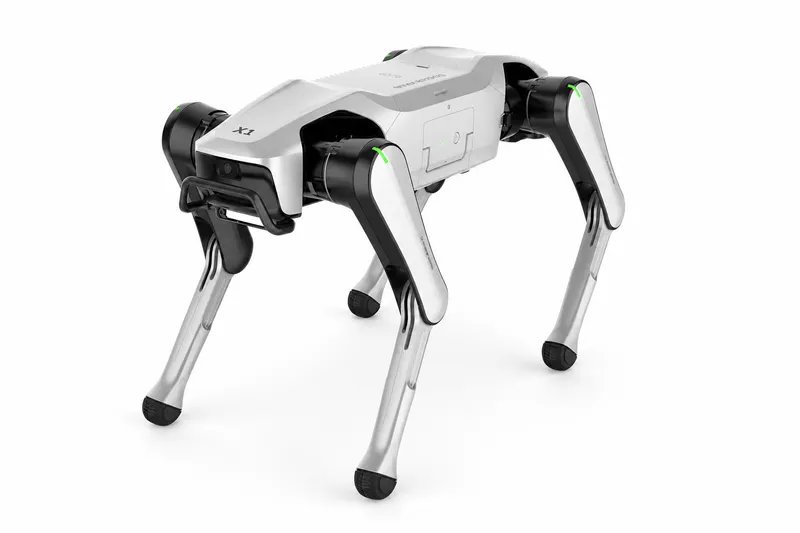
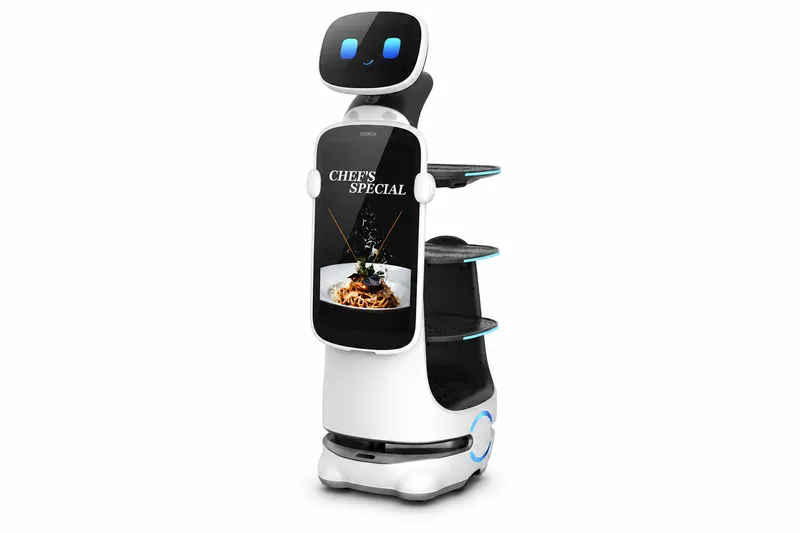
Rover X1
1 wins
T10
2 wins
Category breakdown
Deploy & operate
Readiness, uptime, navigation & connectivity
- 72Deployment readiness85
- 60Maintenance confidence60
- Vision-led navigation (estimated)NavigationVision-led navigation (estimated)
- Wi-Fi / cloud fleet management (estimated)ConnectivityWi-Fi / cloud fleet management (estimated)
Cost & ROI
Price accessibility and ROI clarity
- 95Price accessibility82
- 65ROI clarity78
Capability
Payload, speed, runtime & labor replacement
- 40Labor replacement72
- 3 to 7 kgPayload40 kg (10 kg per tray across 4 layers)
- 1.8 m/s maximumSpeed0.1–1.0 m/s adjustable; 0.8 m/s at full load on dry road
- 1.5 to 3 hoursBattery6 hours nominal; up to 10 hours under optimal conditions
Fit & future
Environment fit, footprint & long-term upside
- 80Environment fit82
- 85Future potential76
- 820 × 480 × 180 mm (W × D × H)Footprint486 × 555 × 1,399 mm (W × D × H)
Rover X1 · Best for
Multi-room home security patrol with real-time remote monitoring via app
T10 · Best for
200+ seat hotpot or casual dining chains during peak dinner service (one robot per 4–5 tables)
Final judgment
If immediate deployment is the priority, choose T10. If the goal is to be ready when Rover X1's capabilities mature, track it.