DEEP Robotics LYNX M20vsUnitree R1
DEEP Robotics LYNX M20 leads on 4 of 7 dimensions — strongest on deployment readiness.
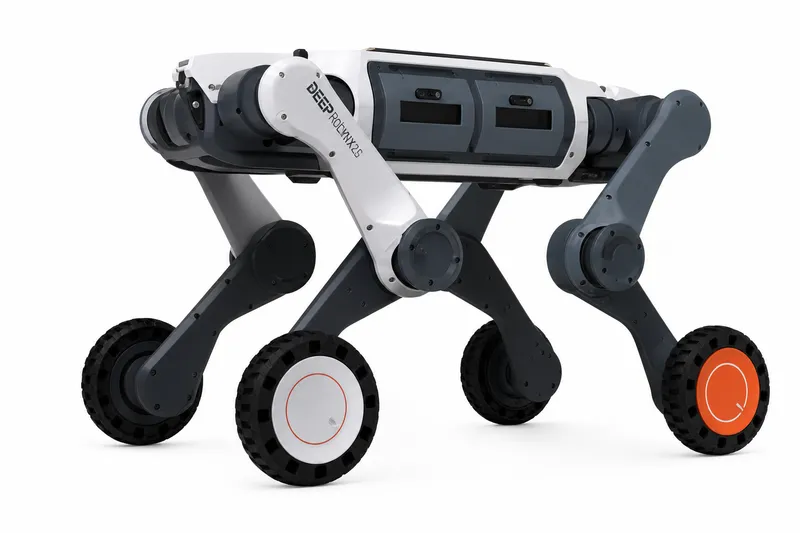
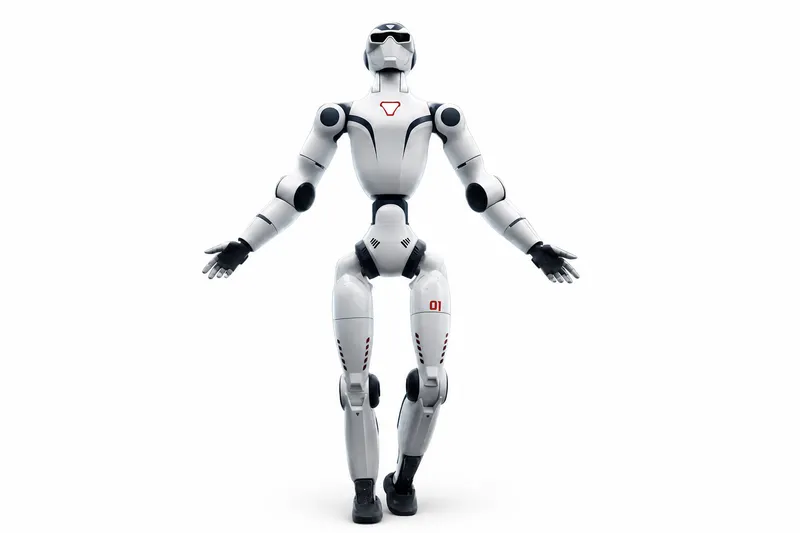
LYNX M20
3 wins
R1
0 wins
Category breakdown
Deploy & operate
Readiness, uptime, navigation & connectivity
- 72Deployment readiness35
- 60Maintenance confidence60
- Vision-led navigation (estimated)NavigationVision-led navigation (estimated)
- Wi-Fi / cloud fleet management (estimated)ConnectivityWi-Fi / cloud fleet management (estimated)
Cost & ROI
Price accessibility and ROI clarity
- 51Price accessibility90
- 58ROI clarity25
Capability
Payload, speed, runtime & labor replacement
- 65Labor replacement15
- 15 kg effective payload, 50 kg maximum load capacityPayloadApproximately 2 kg arm joint torque capacity
- Maximum tested speed 5 m/s; maximum operating speed 2 m/sSpeedUp to 2.5 m/s (9 km/h)
- 3 hours unloaded (15 km range) or 2.5 hours fully loaded (12 km range); 1.5 h charging timeBatteryApproximately 1 hour on single charge; quick-release smart battery system
Fit & future
Environment fit, footprint & long-term upside
- 78Environment fit60
- 76Future potential75
- 820 × 430 × 570 mm (W × D × H)Footprint1230 × 357 × 190 mm (H × W × D)
LYNX M20 · Best for
Autonomous power substation patrol in rain/snow, avoiding high-voltage contact hazard
R1 · Best for
Robotics education—teaching fundamentals, programming skills, and hands-on experimentation
Final judgment
If immediate deployment is the priority, choose LYNX M20. If the goal is to be ready when R1's capabilities mature, track it.