DEEP Robotics LYNX M20vsPAL Robotics TIAGo Head
DEEP Robotics LYNX M20 leads on 4 of 7 dimensions — strongest on deployment readiness.
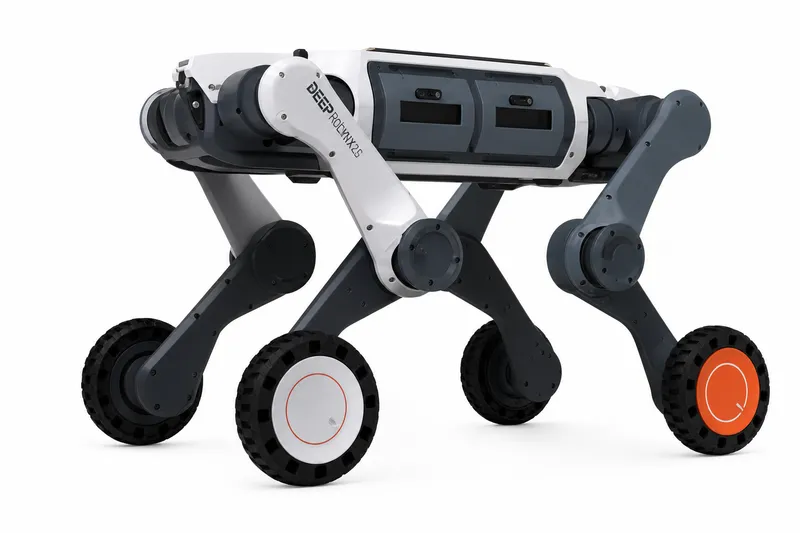
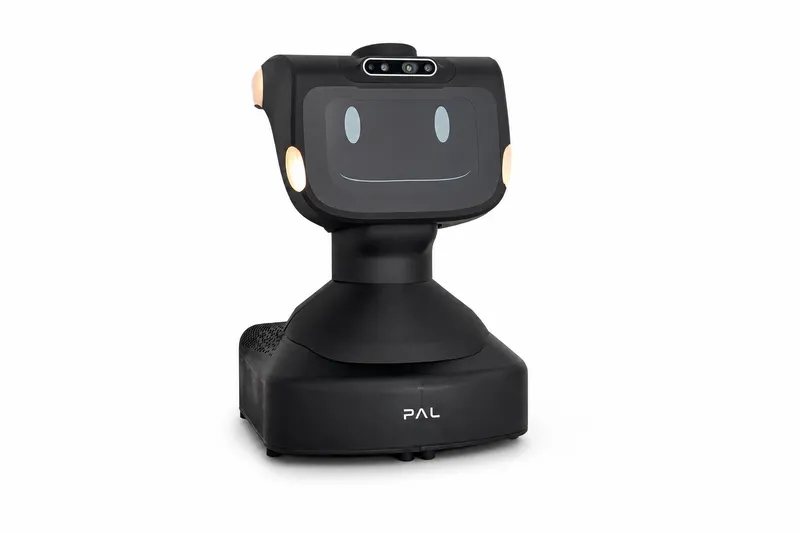
LYNX M20
2 wins
TIAGo Head
0 wins
Category breakdown
Deploy & operate
Readiness, uptime, navigation & connectivity
- 72Deployment readiness62
- 60Maintenance confidence60
- Vision-led navigation (estimated)NavigationVision-led navigation (estimated)
- Wi-Fi / cloud fleet management (estimated)ConnectivityWi-Fi / cloud fleet management (estimated)
Cost & ROI
Price accessibility and ROI clarity
- 51Price accessibility87
- 58ROI clarity48
Capability
Payload, speed, runtime & labor replacement
- 65Labor replacement35
- 15 kg effective payload, 50 kg maximum load capacityPayloadNone (tabletop head only, no manipulation)
- Maximum tested speed 5 m/s; maximum operating speed 2 m/sSpeedN/A (stationary head)
- 3 hours unloaded (15 km range) or 2.5 hours fully loaded (12 km range); 1.5 h charging timeBatteryMains powered (110V/230V AC)
Fit & future
Environment fit, footprint & long-term upside
- 78Environment fit72
- 76Future potential78
- 820 × 430 × 570 mm (W × D × H)Footprint320 × 255 × 450 mm (W × D × H)
LYNX M20 · Best for
Autonomous power substation patrol in rain/snow, avoiding high-voltage contact hazard
TIAGo Head · Best for
University robotics labs: Multi-year student projects in HRI, gesture recognition, dialogue systems
Final judgment
If immediate deployment is the priority, choose LYNX M20. If the goal is to be ready when TIAGo Head's capabilities mature, track it.