DEEP Robotics Lite 3vsDirect Drive Tech TITA
For reinforcement learning training and algorithm development in university robotics labs, Lite 3 is easier to deploy today — TITA is the longer bet on capability.
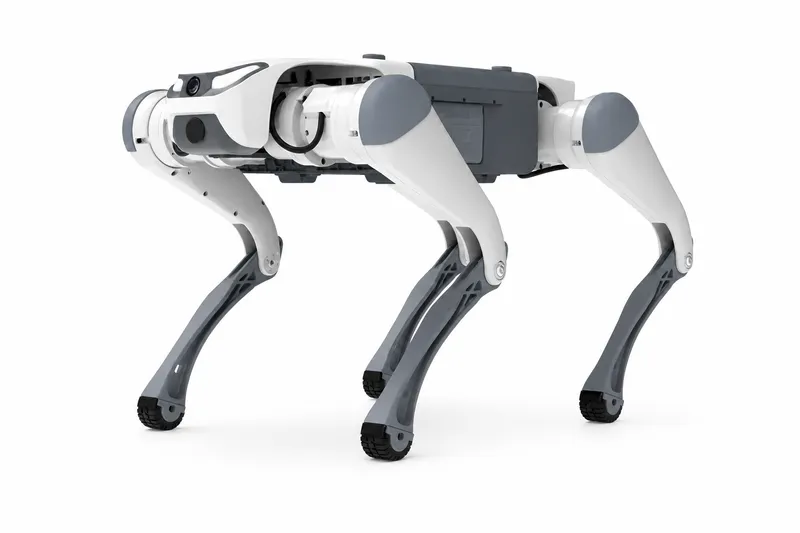
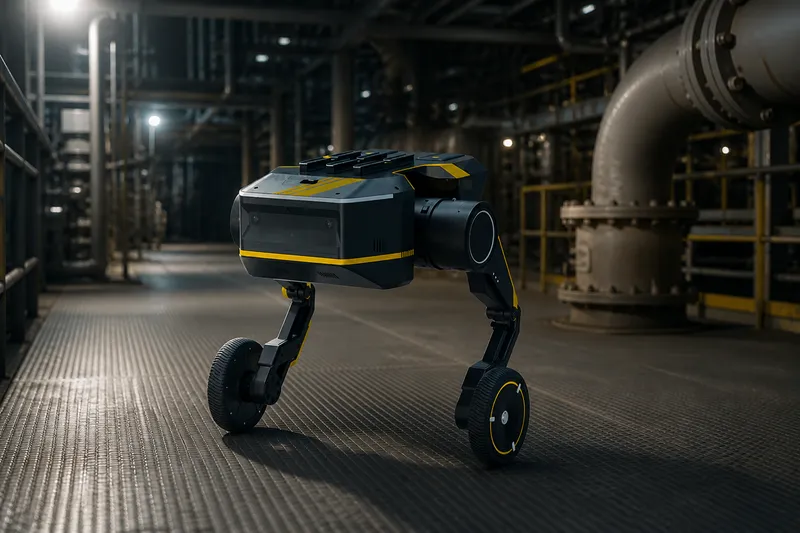
Lite 3
1 wins
TITA
2 wins
Category breakdown
Deploy & operate
Readiness, uptime, navigation & connectivity
- 80Deployment readiness72
- 60Maintenance confidence60
- Vision-led navigation (estimated)NavigationVision-led navigation (estimated)
- Wi-Fi / cloud fleet management (estimated)ConnectivityWi-Fi / cloud fleet management (estimated)
Cost & ROI
Price accessibility and ROI clarity
- 89Price accessibility87
- 60ROI clarity58
Capability
Payload, speed, runtime & labor replacement
- 40Labor replacement42
- 5 kg (Basic) to 7.5 kg (LiDAR)Payload10 kg
- 4 m/sec peakSpeed3 m/s standard; up to 5 m/s with API unlock under suitable conditions
- 1.5 to 2 hoursBatteryApproximately 1 hour per battery; 2-hour total runtime with battery set
Fit & future
Environment fit, footprint & long-term upside
- 70Environment fit78
- 75Future potential82
- 610 × 370 × 406 mmFootprint510 × 590 × 490 mm (standing); 300 mm height in creeping mode
Lite 3 · Best for
Reinforcement learning training and algorithm development in university robotics labs
TITA · Best for
Campus package delivery across curved pathways and building entrances
Final judgment
If immediate deployment is the priority, choose Lite 3. If the goal is to be ready when TITA's capabilities mature, track it.