Clearpath Robotics DingovsLimX Dynamics TRON1
For autonomous navigation experiments in confined spaces (hallways, corridors, lab benches), Dingo is easier to deploy today — TRON1 is the longer bet on capability.
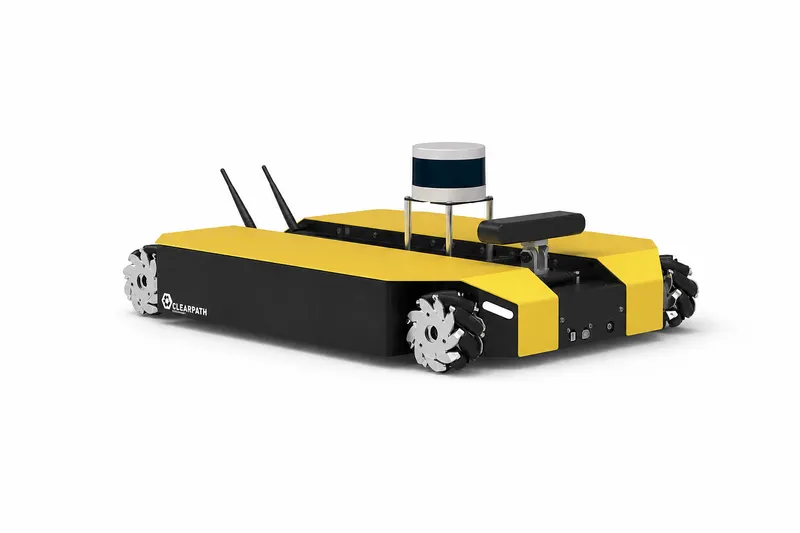
Dingo
3 wins
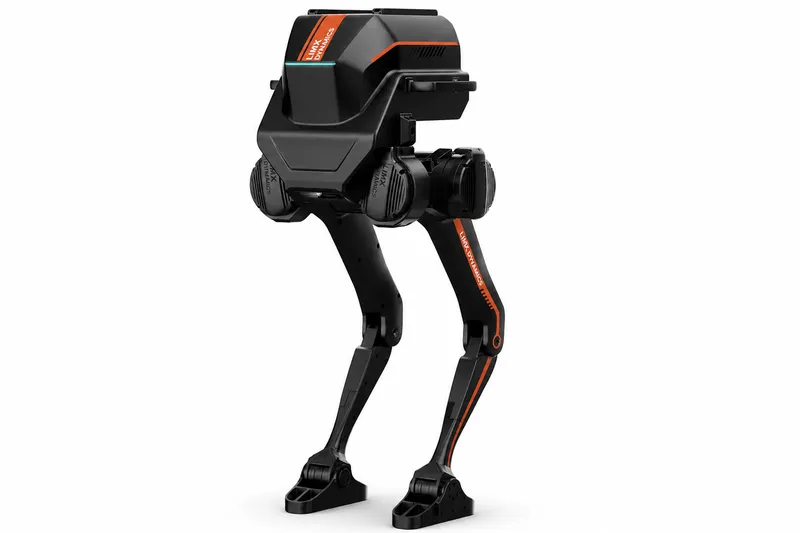
TRON1
0 wins
Category breakdown
Deploy & operate
Readiness, uptime, navigation & connectivity
- 82Deployment readiness70
- 60Maintenance confidence60
- Vision-led navigation (estimated)NavigationVision-led navigation (estimated)
- Wi-Fi / cloud fleet management (estimated)ConnectivityWi-Fi / cloud fleet management (estimated)
Cost & ROI
Price accessibility and ROI clarity
- 81Price accessibility85
- 68ROI clarity50
Capability
Payload, speed, runtime & labor replacement
- 35Labor replacement20
- 20 kg (44 lbs)Payload15 kg load capacity
- 1.3 m/sSpeed5 m/s in wheeled mode; <1 m/s in legged mode
- 1–4 hours (lead-acid 1–2 hours, lithium-ion 4 hours)Battery2+ hours runtime on 1.5-hour charge (lithium battery)
Fit & future
Environment fit, footprint & long-term upside
- 88Environment fit75
- 76Future potential85
- Dingo-D: 551 × 517 × 110 mm; Dingo-O: 686 × 517 × 114 mmFootprint392 × 420 × 845 mm (W × D × H)
Dingo · Best for
Autonomous navigation experiments in confined spaces (hallways, corridors, lab benches)
TRON1 · Best for
University RL research labs prototyping multi-modal bipedal walking algorithms
Final judgment
If immediate deployment is the priority, choose Dingo. If the goal is to be ready when TRON1's capabilities mature, track it.