Booster Robotics K1vsMagicLab MagicBot Z1
Booster Robotics K1 leads on 3 of 7 dimensions — strongest on environment fit.
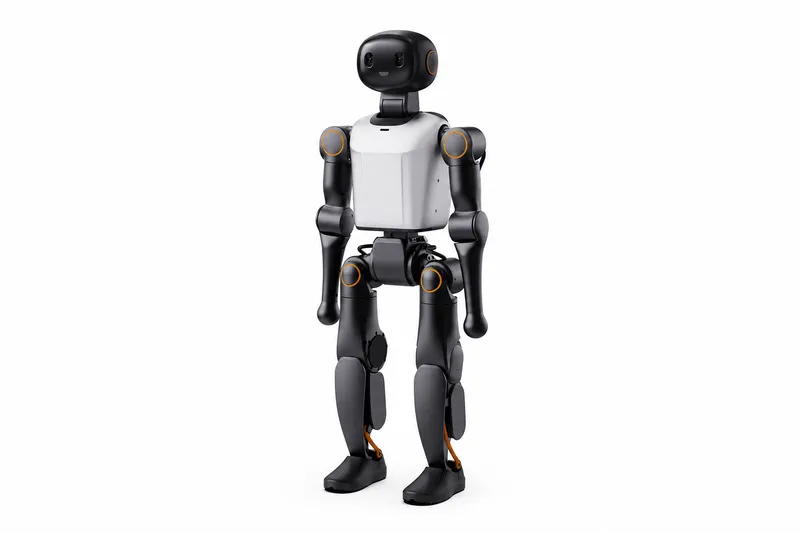
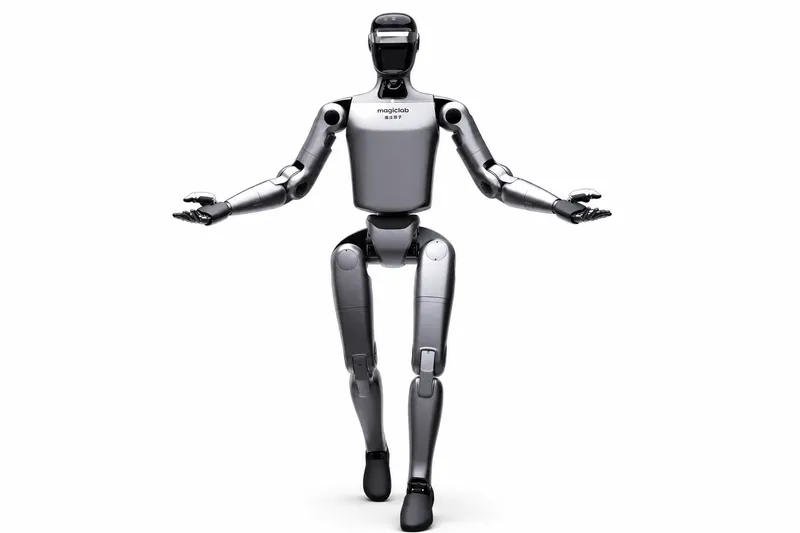
K1
2 wins
MagicBot Z1
0 wins
Category breakdown
Deploy & operate
Readiness, uptime, navigation & connectivity
- 72Deployment readiness72
- 60Maintenance confidence60
- Vision-led navigation (estimated)NavigationVision-led navigation (estimated)
- Wi-Fi / cloud fleet management (estimated)ConnectivityWi-Fi / cloud fleet management (estimated)
Cost & ROI
Price accessibility and ROI clarity
- 89Price accessibility48
- 58ROI clarity55
Capability
Payload, speed, runtime & labor replacement
- 15Labor replacement48
- No integrated gripper or manipulation capabilityPayload3 kg per arm
- UnknownSpeed2.5 m/s (~9 km/h) jog
- ~40 minutes active mode (base); 80 minutes (EDU Edition)Battery2 hours (10,000 mAh, 15-cell)
Fit & future
Environment fit, footprint & long-term upside
- 85Environment fit68
- 88Future potential78
- 95 cm height; full footprint not specifiedFootprint136.9 cm H × 42.2 cm W × 20.0 cm D
K1 · Best for
University robotics research labs deploying embodied AI algorithms
MagicBot Z1 · Best for
University robotics research on bipedal locomotion, imitation learning, and acrobatic motion capture.
Final judgment
Both are credible picks. Decide on cost and supplier proximity, not capability — the gap is small.