Booster Robotics K1vsDEEP Robotics Lite 3
For reinforcement learning training and algorithm development in university robotics labs, Lite 3 is easier to deploy today — K1 is the longer bet on capability.
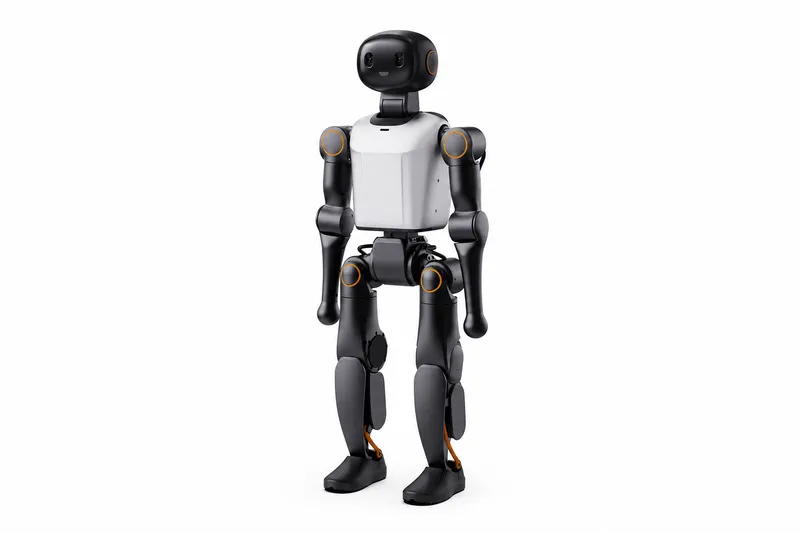
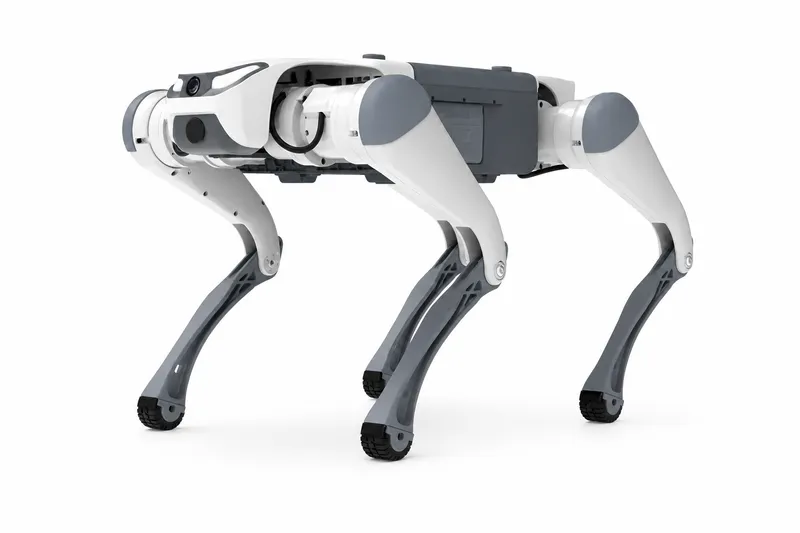
K1
1 wins
Lite 3
1 wins
Category breakdown
Deploy & operate
Readiness, uptime, navigation & connectivity
- 72Deployment readiness80
- 60Maintenance confidence60
- Vision-led navigation (estimated)NavigationVision-led navigation (estimated)
- Wi-Fi / cloud fleet management (estimated)ConnectivityWi-Fi / cloud fleet management (estimated)
Cost & ROI
Price accessibility and ROI clarity
- 89Price accessibility89
- 58ROI clarity60
Capability
Payload, speed, runtime & labor replacement
- 15Labor replacement40
- No integrated gripper or manipulation capabilityPayload5 kg (Basic) to 7.5 kg (LiDAR)
- UnknownSpeed4 m/sec peak
- ~40 minutes active mode (base); 80 minutes (EDU Edition)Battery1.5 to 2 hours
Fit & future
Environment fit, footprint & long-term upside
- 85Environment fit70
- 88Future potential75
- 95 cm height; full footprint not specifiedFootprint610 × 370 × 406 mm
K1 · Best for
University robotics research labs deploying embodied AI algorithms
Lite 3 · Best for
Reinforcement learning training and algorithm development in university robotics labs
Final judgment
If immediate deployment is the priority, choose Lite 3. If the goal is to be ready when K1's capabilities mature, track it.