Bear Robotics ServivsOmron LD-250
Close call. Servi and LD-250 trade wins across the matrix.
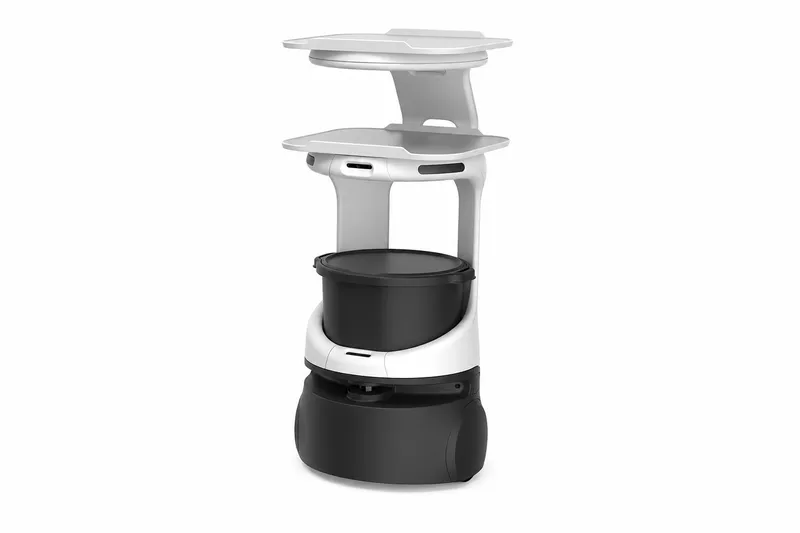
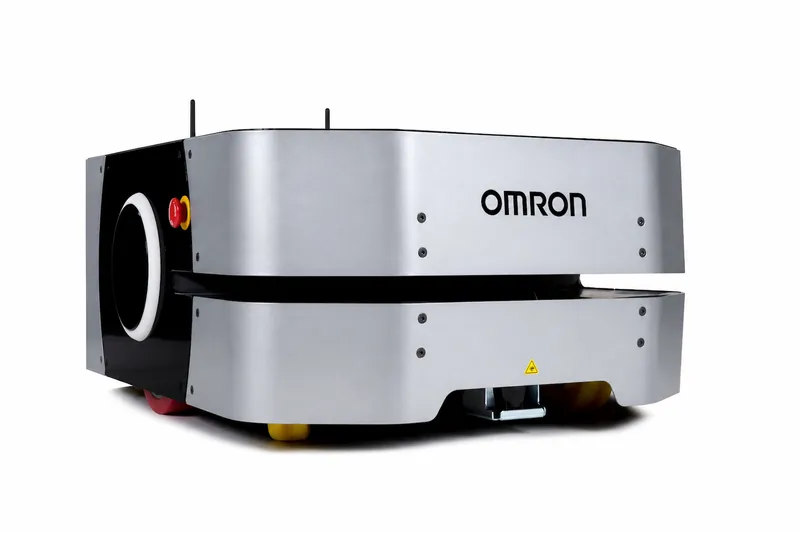
Servi
1 wins
LD-250
1 wins
Category breakdown
Deploy & operate
Readiness, uptime, navigation & connectivity
- 88Deployment readiness92
- 60Maintenance confidence60
- Vision-led navigation (estimated)NavigationVision-led navigation (estimated)
- Wi-Fi / cloud fleet management (estimated)ConnectivityWi-Fi / cloud fleet management (estimated)
Cost & ROI
Price accessibility and ROI clarity
- 84Price accessibility26
- 82ROI clarity85
Capability
Payload, speed, runtime & labor replacement
- 72Labor replacement88
- 66 lb (standard Servi); 88 lb (Servi Plus)Payload250 kg
- 0.1 to 1.2 m/sSpeed1.2 m/s
- 8–12 hours average; 4–5 hours full recharge; quick charge 1–2 hours for 4–6 hours runtimeBattery13 hours unloaded, 10 hours at full 250 kg load; 20-80% recharge in 2 hours 10 minutes
Fit & future
Environment fit, footprint & long-term upside
- 85Environment fit82
- 80Future potential78
- Standard Servi: 445 × 430 × 1,046 mm (17.5" × 17" × 41"); Servi Plus: 533 × 584 × 1,219 mm (21" × 23" × 48")Footprint718 × 969 × 383 mm (W × D × H)
Servi · Best for
High-volume casual dining: Taiwan Red Lantern restaurant uses 9 robots, achieving 1,173 daily deliveries and 60,302 meters moved.
LD-250 · Best for
Automotive final-assembly line — transport transmission blocks and wire harnesses between stations, reducing manual handler fatigue.
Final judgment
Both are credible picks. Decide on cost and supplier proximity, not capability — the gap is small.