Bear Bobotics Servi QvsServe Robotics Gen 3 Delivery Robot
Serve Robotics Gen 3 Delivery Robot leads on 4 of 7 dimensions — strongest on deployment readiness.
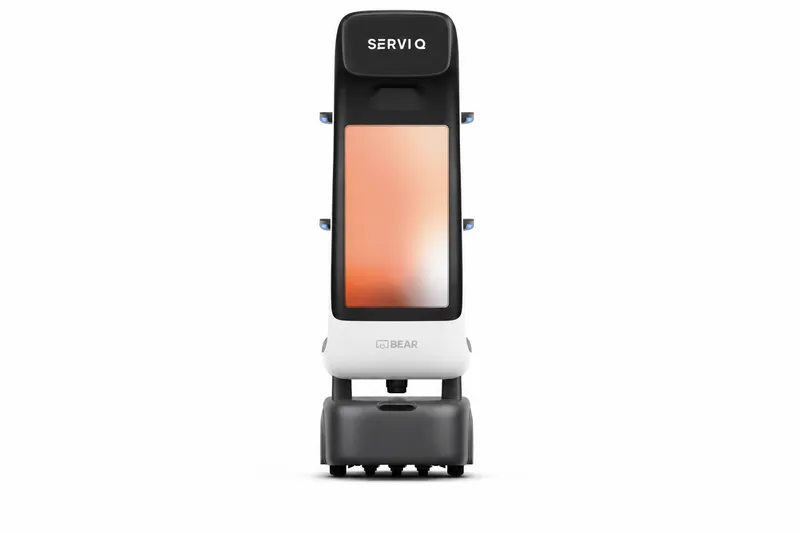
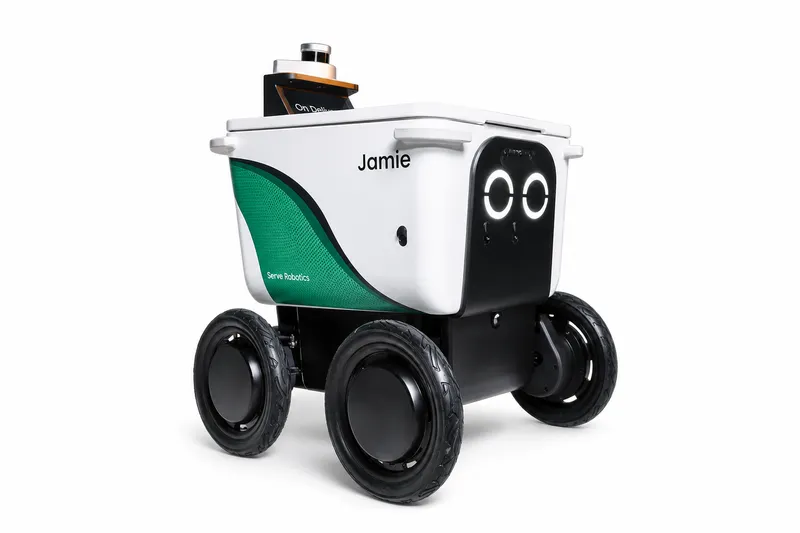
Servi Q
0 wins
Gen 3 Delivery Robot
4 wins
Category breakdown
Deploy & operate
Readiness, uptime, navigation & connectivity
- 35Deployment readiness92
- 60Maintenance confidence60
- Vision-led navigation (estimated)NavigationVision-led navigation (estimated)
- Wi-Fi / cloud fleet management (estimated)ConnectivityWi-Fi / cloud fleet management (estimated)
Cost & ROI
Price accessibility and ROI clarity
- 30Price accessibility30
- 25ROI clarity78
Capability
Payload, speed, runtime & labor replacement
- 50Labor replacement85
- UnknownPayload50 pounds (23 kg) / approximately 13 gallons cargo
- UnknownSpeed11 mph top speed
- Unknown (Servi Plus reference: 12 hours on 4-hour charge)Battery14 hours or 48 miles (77 km)
Fit & future
Environment fit, footprint & long-term upside
- 85Environment fit88
- 70Future potential89
- UnknownFootprint31" length × 26" width × 41" height (79 cm × 64 cm × 105 cm)
Servi Q · Best for
Upscale cocktail bars or wine-forward restaurants where bar service aisles are 18–24 inches wide and staff cannot fit full-size Servi Plus.
Gen 3 Delivery Robot · Best for
High-volume food delivery for national chains (Uber Eats, DoorDash partner deployments in Los Angeles, Chicago, Miami, Atlanta)
Final judgment
If immediate deployment is the priority, choose Gen 3 Delivery Robot. If the goal is to be ready when Servi Q's capabilities mature, track it.