Apptronik ApollovsLimX Dynamics TRON1
Close call. Apollo and TRON1 trade wins across the matrix.

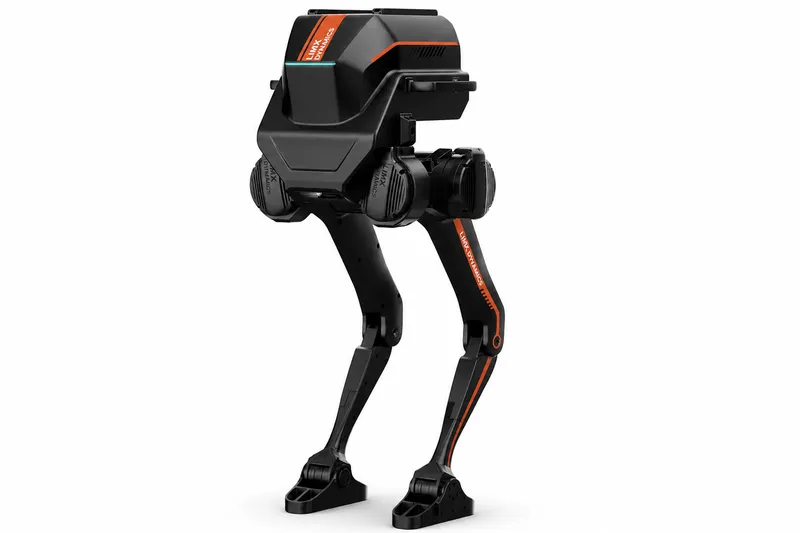
Apollo
1 wins
TRON1
1 wins
Category breakdown
Deploy & operate
Readiness, uptime, navigation & connectivity
- 72Deployment readiness70
- 60Maintenance confidence60
- Vision-led navigation (estimated)NavigationVision-led navigation (estimated)
- Wi-Fi / cloud fleet management (estimated)ConnectivityWi-Fi / cloud fleet management (estimated)
Cost & ROI
Price accessibility and ROI clarity
- 54Price accessibility85
- 65ROI clarity50
Capability
Payload, speed, runtime & labor replacement
- 70Labor replacement20
- 25 kg (55 lbs)Payload15 kg load capacity
- 3.4 km/h (walking speed); 1.5 m/s (5.4 km/h alternative specification)Speed5 m/s in wheeled mode; <1 m/s in legged mode
- Up to 4 hours on single battery pack; hot-swappable batteries in under 5 minutes enabling up to 22 hours daily operationBattery2+ hours runtime on 1.5-hour charge (lithium battery)
Fit & future
Environment fit, footprint & long-term upside
- 68Environment fit75
- 75Future potential85
- UnknownFootprint392 × 420 × 845 mm (W × D × H)
Apollo · Best for
Warehouse and logistics box/tote picking and transport (primary focus; proven in GXO trials).
TRON1 · Best for
University RL research labs prototyping multi-modal bipedal walking algorithms
Final judgment
Both are credible picks. Decide on cost and supplier proximity, not capability — the gap is small.