Aldebaran NAO 6vsEngineAI T800
Aldebaran NAO 6 leads on 4 of 7 dimensions — strongest on deployment readiness.
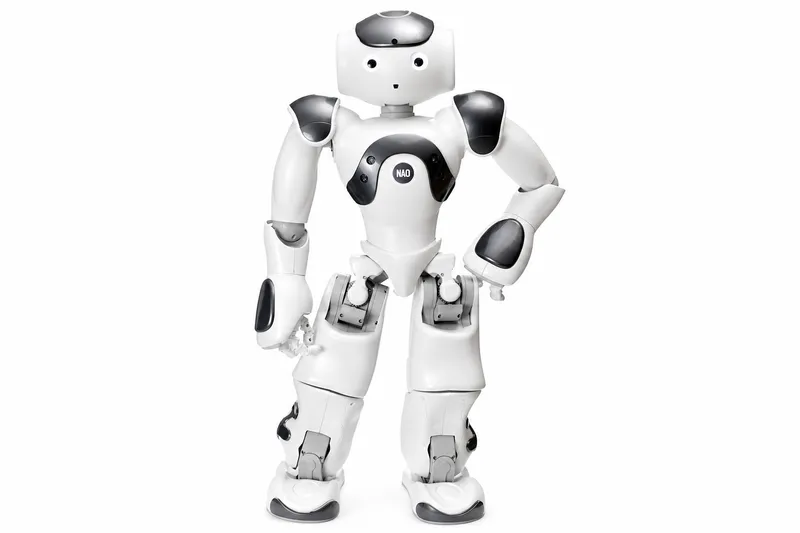
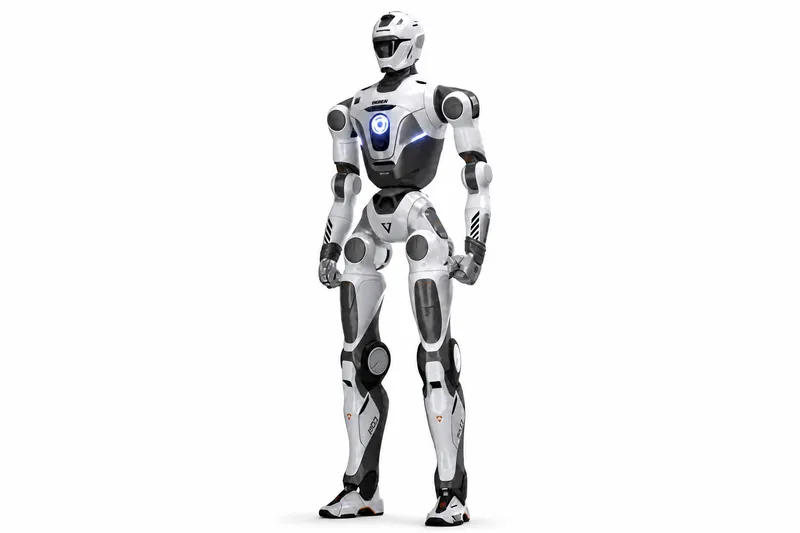
NAO 6
3 wins
T800
1 wins
Category breakdown
Deploy & operate
Readiness, uptime, navigation & connectivity
- 82Deployment readiness58
- 60Maintenance confidence60
- Vision-led navigation (estimated)NavigationVision-led navigation (estimated)
- Wi-Fi / cloud fleet management (estimated)ConnectivityWi-Fi / cloud fleet management (estimated)
Cost & ROI
Price accessibility and ROI clarity
- 82Price accessibility68
- 75ROI clarity52
Capability
Payload, speed, runtime & labor replacement
- 35Labor replacement68
- Not applicable (tabletop robot; designed for gesture and interaction, not object carrying)Payload5 kg per hand
- 0.6 km/h walking speedSpeed3 m/s maximum movement speed
- 60 minutes active use, up to 90 minutes normal use; 90-minute recharge cycleBattery2 to 4 hours runtime (modular, hot-swappable)
Fit & future
Environment fit, footprint & long-term upside
- 88Environment fit72
- 71Future potential75
- 311 × 275 × 574 mm (W × D × H)Footprint1.73 m tall
NAO 6 · Best for
Special education classrooms for autism spectrum support—NAO's predictable, patient interactions help students practice social skills in low-anxiety settings.
T800 · Best for
Warehouse order fulfillment — stacking pallets, bin picking, pallet jack replacement in 8-hour night shifts (4-hour battery + swappable module)
Final judgment
If immediate deployment is the priority, choose NAO 6. If the goal is to be ready when T800's capabilities mature, track it.