Aldebaran NAO 6vsBooster Robotics K1
For special education classrooms for autism spectrum support—nao's predictable, patient interactions help students practice social skills in low-anxiety settings., NAO 6 is easier to deploy today — K1 is the longer bet on capability.
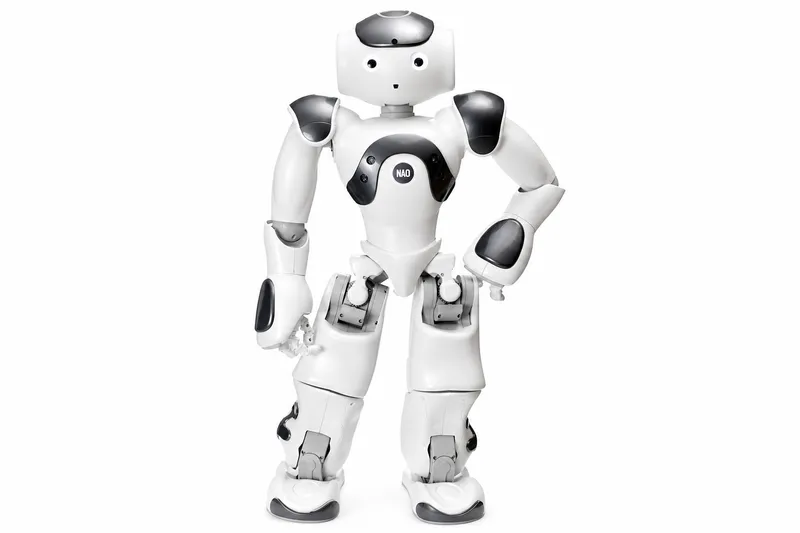
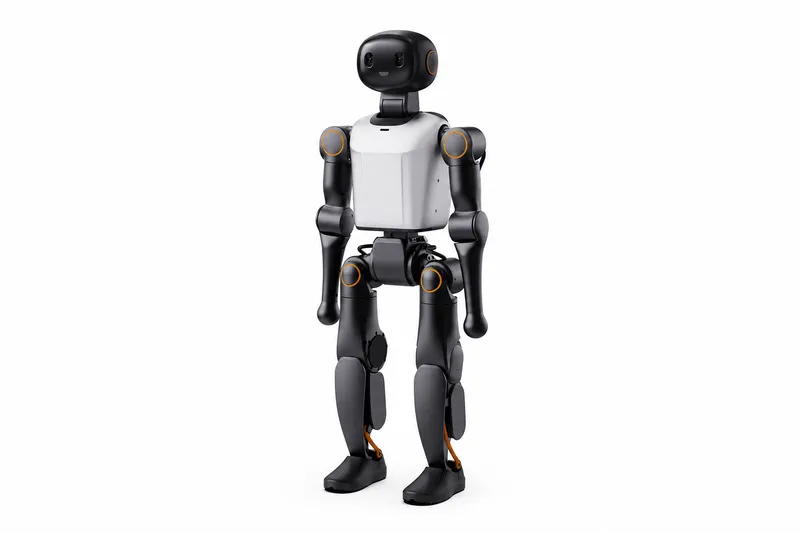
NAO 6
2 wins
K1
1 wins
Category breakdown
Deploy & operate
Readiness, uptime, navigation & connectivity
- 82Deployment readiness72
- 60Maintenance confidence60
- Vision-led navigation (estimated)NavigationVision-led navigation (estimated)
- Wi-Fi / cloud fleet management (estimated)ConnectivityWi-Fi / cloud fleet management (estimated)
Cost & ROI
Price accessibility and ROI clarity
- 82Price accessibility89
- 75ROI clarity58
Capability
Payload, speed, runtime & labor replacement
- 35Labor replacement15
- Not applicable (tabletop robot; designed for gesture and interaction, not object carrying)PayloadNo integrated gripper or manipulation capability
- 0.6 km/h walking speedSpeedUnknown
- 60 minutes active use, up to 90 minutes normal use; 90-minute recharge cycleBattery~40 minutes active mode (base); 80 minutes (EDU Edition)
Fit & future
Environment fit, footprint & long-term upside
- 88Environment fit85
- 71Future potential88
- 311 × 275 × 574 mm (W × D × H)Footprint95 cm height; full footprint not specified
NAO 6 · Best for
Special education classrooms for autism spectrum support—NAO's predictable, patient interactions help students practice social skills in low-anxiety settings.
K1 · Best for
University robotics research labs deploying embodied AI algorithms
Final judgment
If immediate deployment is the priority, choose NAO 6. If the goal is to be ready when K1's capabilities mature, track it.