AgiBot Raise A1vsPudu Robotics PUDU D7
Close call. Raise A1 and PUDU D7 trade wins across the matrix.
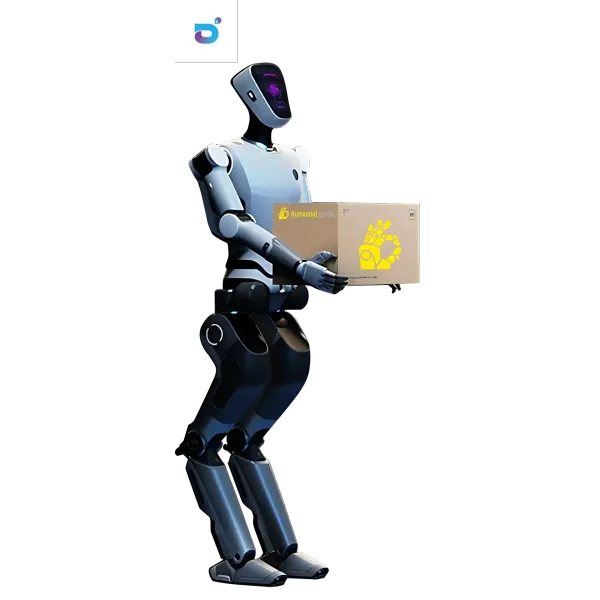
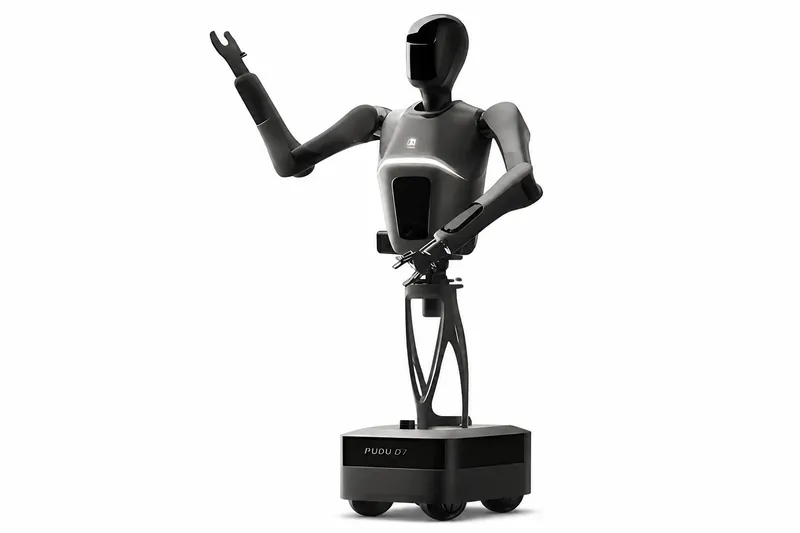
Raise A1
1 wins
PUDU D7
1 wins
Category breakdown
Deploy & operate
Readiness, uptime, navigation & connectivity
- 65Deployment readiness65
- 60Maintenance confidence60
- Vision-led navigation (estimated)NavigationVision-led navigation (estimated)
- Wi-Fi / cloud fleet management (estimated)ConnectivityWi-Fi / cloud fleet management (estimated)
Cost & ROI
Price accessibility and ROI clarity
- 48Price accessibility43
- 50ROI clarity55
Capability
Payload, speed, runtime & labor replacement
- 70Labor replacement60
- 5 kg per arm; 80 kg total carrying capacityPayload10 kg (bionic arms)
- up to 7 km/h (4.3 mph)SpeedMaximum 2 m/s with 360-degree omnidirectional movement
- Not disclosed for baseline Raise-A1 (A2/A3 models: 8–10 hours)BatteryOver 8 hours continuous operation from battery exceeding 1 kWh
Fit & future
Environment fit, footprint & long-term upside
- 65Environment fit70
- 80Future potential80
- 175 cm (5'9") tall, approx. 53–55 kg weightFootprint60 x 60 x 165 cm (width x depth x height)
Raise A1 · Best for
Bolt tightening and vehicle inspections on assembly lines
PUDU D7 · Best for
Hospital supply chain: autonomous transport of meal trays, medication carts, and linen bins on single floors with elevator access, reducing nursing aide labor during peak hours.
Final judgment
Both are credible picks. Decide on cost and supplier proximity, not capability — the gap is small.