AgiBot D1vsBear Robotics Servi
Bear Robotics Servi leads on 4 of 7 dimensions — strongest on deployment readiness.
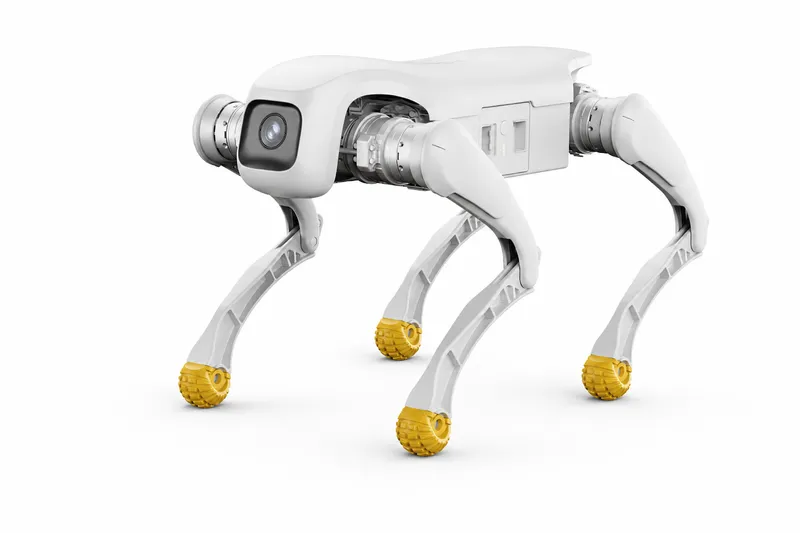
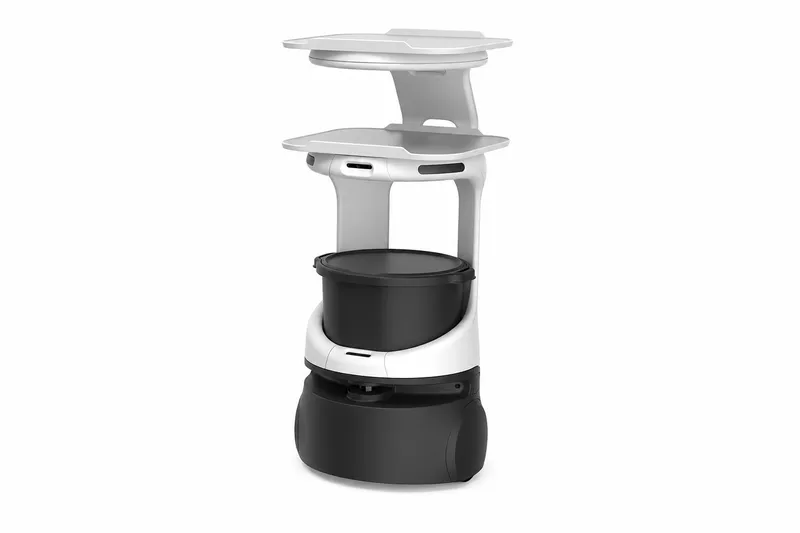
D1
0 wins
Servi
2 wins
Category breakdown
Deploy & operate
Readiness, uptime, navigation & connectivity
- 78Deployment readiness88
- 60Maintenance confidence60
- Vision-led navigation (estimated)NavigationVision-led navigation (estimated)
- Wi-Fi / cloud fleet management (estimated)ConnectivityWi-Fi / cloud fleet management (estimated)
Cost & ROI
Price accessibility and ROI clarity
- 91Price accessibility84
- 65ROI clarity82
Capability
Payload, speed, runtime & labor replacement
- 55Labor replacement72
- 8 kg static (10 kg limit); 4 km range with 5 kg payloadPayload66 lb (standard Servi); 88 lb (Servi Plus)
- 3.7 m/s maximum; 1.8 m/s unloaded range cruisingSpeed0.1 to 1.2 m/s
- 200 hours stable operation in extreme conditions (manufacturer lab rating); runtime per charge unknownBattery8–12 hours average; 4–5 hours full recharge; quick charge 1–2 hours for 4–6 hours runtime
Fit & future
Environment fit, footprint & long-term upside
- 82Environment fit85
- 74Future potential80
- 360 × 630 × 420 mm (standing)FootprintStandard Servi: 445 × 430 × 1,046 mm (17.5" × 17" × 41"); Servi Plus: 533 × 584 × 1,219 mm (21" × 23" × 48")
D1 · Best for
Multi-floor security patrols in facilities with stairs, slopes, and cluttered outdoor perimeters (warehouses, construction sites, utility substations)
Servi · Best for
High-volume casual dining: Taiwan Red Lantern restaurant uses 9 robots, achieving 1,173 daily deliveries and 60,302 meters moved.
Final judgment
If immediate deployment is the priority, choose Servi. If the goal is to be ready when D1's capabilities mature, track it.