AgiBot A2vsBooster Robotics K1
Close call. A2 and K1 trade wins across the matrix.
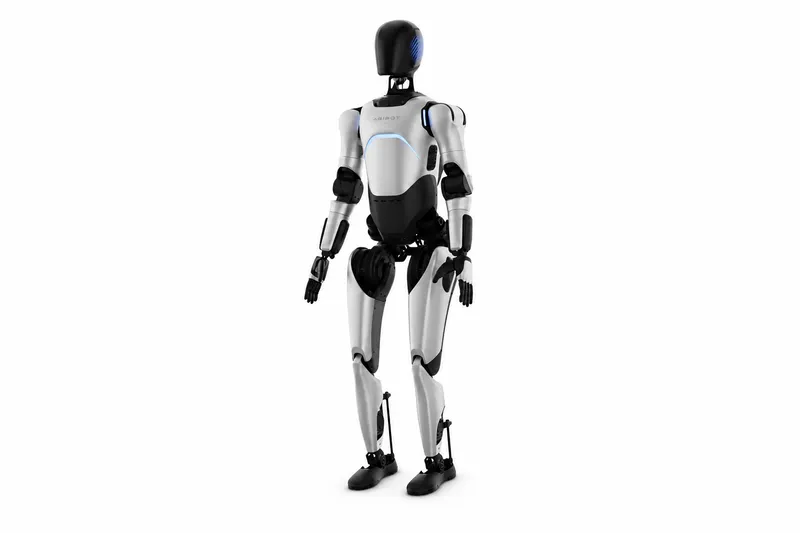
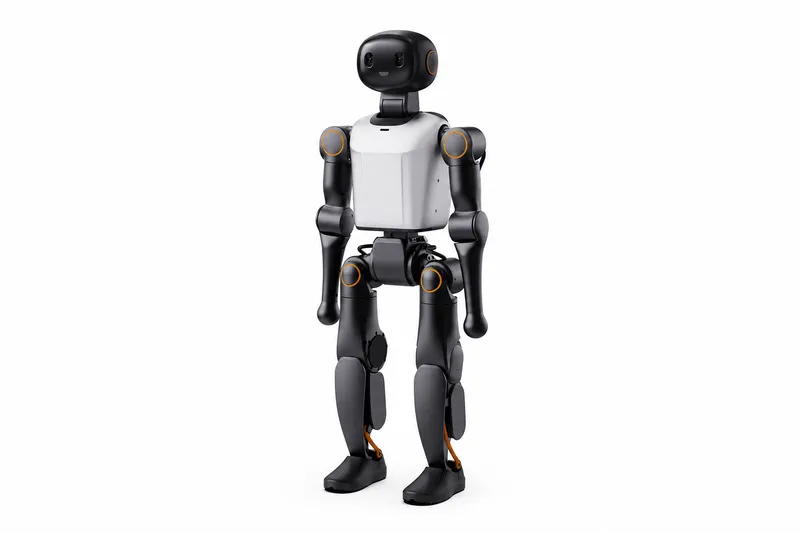
A2
2 wins
K1
1 wins
Category breakdown
Deploy & operate
Readiness, uptime, navigation & connectivity
- 87Deployment readiness72
- 60Maintenance confidence60
- Vision-led navigation (estimated)NavigationVision-led navigation (estimated)
- Wi-Fi / cloud fleet management (estimated)ConnectivityWi-Fi / cloud fleet management (estimated)
Cost & ROI
Price accessibility and ROI clarity
- 10Price accessibility89
- 75ROI clarity58
Capability
Payload, speed, runtime & labor replacement
- 68Labor replacement15
- 15 kg per armPayloadNo integrated gripper or manipulation capability
- 7 km/hSpeedUnknown
- 700 Wh battery with ~2 hour runtime; 2,000 Wh on industrial A2-W variantBattery~40 minutes active mode (base); 80 minutes (EDU Edition)
Fit & future
Environment fit, footprint & long-term upside
- 79Environment fit85
- 84Future potential88
- Height approximately 1,690–1,750 mm (169–175 cm humanoid frame); width and depth unknownFootprint95 cm height; full footprint not specified
A2 · Best for
200+ seat restaurant chain evening rush service during peak hours (2–4 units per location, ROI ~24 months)
K1 · Best for
University robotics research labs deploying embodied AI algorithms
Final judgment
If immediate deployment is the priority, choose A2. If the goal is to be ready when K1's capabilities mature, track it.